


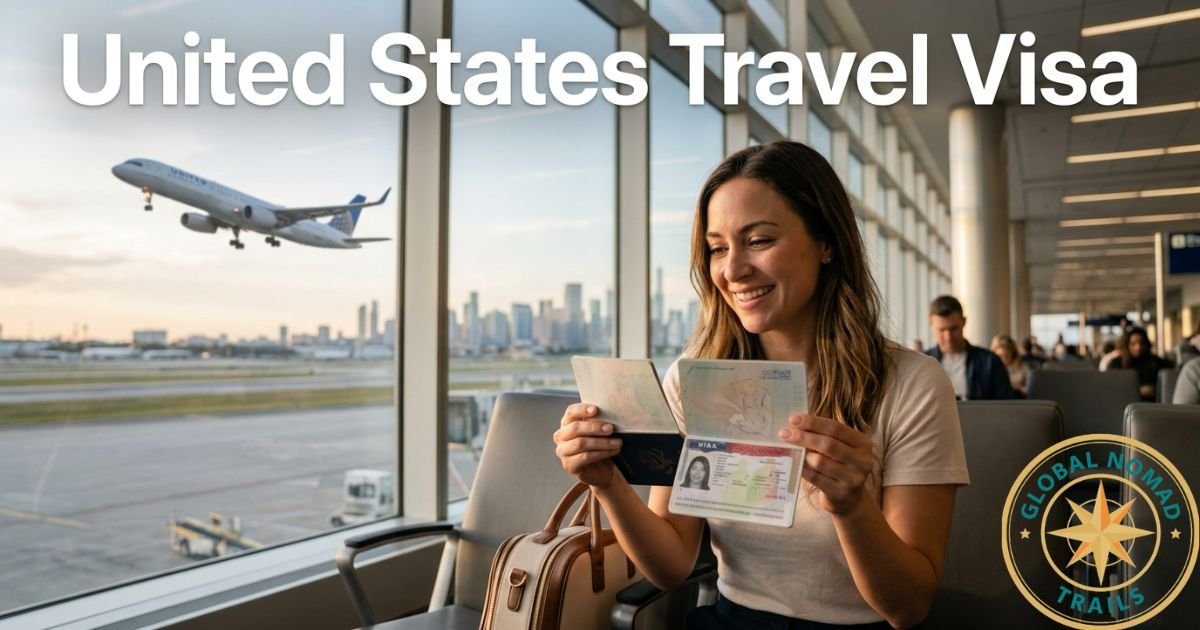
Most foreign tourists need either a B-2 visitor visa or an approved ESTA, depending on their nationality and eligibility. Citizens and nationals of Visa Waiver Program countries can travel to the United States without a visa for tourism or business for up to 90 days if they meet all VWP requirements and have an approved ESTA. Travelers who are not eligible for the VWP may need a B-2 or B-1/B-2 visitor visa. Canadian and Bermudian citizens generally have separate rules and usually do not need a visa for tourism.
This guide covers the United States travel visa requirements for tourists in 2026. You will find the documents, costs, interview rules, visa-bond changes, and other recent developments that can affect travelers. Fees and rules can change, so confirm key details on official U.S. government websites before you book flights.
Do You Need a Visa or an ESTA?
You need a visa unless your nationality qualifies for the Visa Waiver Program or you fall under another visa-exempt category. VWP travelers can visit the United States for tourism or business for 90 days or less, but they must meet the program’s requirements and obtain ESTA approval before traveling.
The current VWP includes countries such as the United Kingdom, Germany, France, Japan, South Korea, Australia, New Zealand, Italy, Spain, and several other participating countries. Eligibility can also depend on travel history and other VWP rules, so check the official list before you apply.
If your passport does not qualify for the VWP, you will generally need a B-2 visitor visa for tourism or a B-1/B-2 visa if your trip combines tourism and permitted business activities.
| B-2 Visitor Visa | ESTA (Visa Waiver Program) | |
| Who it suits | Travelers who need a visitor visa for tourism | Eligible citizens and nationals of VWP countries |
| Process | DS-160, fee, and generally an interview | Online ESTA application |
| Maximum VWP stay | Not applicable | Up to 90 days |
| Main official source | U.S. Department of State | U.S. Customs and Border Protection |
United States Travel Visa Requirements for a B-2 Tourist Visa
A B-2 visa covers tourism, vacations, visits to family and friends, and short trips for medical treatment. It does not allow ordinary employment or academic study. Paid professional performances and work as foreign media are also among activities that require another United States Travel Visa category.
Most applicants should prepare the following:
- A valid passport. It generally needs to remain valid for at least six months beyond the intended period of stay, unless a country-specific exemption applies.
- The DS-160 confirmation page. This is the online nonimmigrant visa application.
- A compliant photo. You normally upload the photo during the DS-160 process, although some applicants may need to bring a printed photo if the upload fails.
- Proof of visa fee payment.
- Travel information, such as your planned itinerary, if available.
- Evidence of funds and ties to your home country, such as employment, family responsibilities, or other circumstances showing your intent to return.
You do not need a letter of invitation or an Affidavit of Support to apply for a visitor United States Travel Visa. Consular officers focus on whether you qualify under U.S. law and whether you have demonstrated strong enough ties outside the United States.
How to Apply for a B-2 Visa
- Complete the DS-160. Answer every question accurately and truthfully.
- Pay the visa application fee. Keep your payment receipt.
- Schedule your interview. Current State Department guidance generally directs applicants to apply in their country of nationality or residence.
- Prepare your documents. Bring your passport, DS-160 confirmation, photo if required, fee receipt, and any supporting evidence relevant to your trip.
- Attend the interview. The consular officer may ask about your travel plans, finances, employment, family, and reasons for returning home.
- Wait for the decision. If approved, your passport will be returned according to the local embassy or consulate’s procedures.
Most B-1/B-2 applicants should expect an interview. Since October 1, 2025, interview-waiver eligibility has become much narrower. Certain B-1/B-2 renewals may qualify if the previous visa expired within the previous 12 months and other conditions are met, but an officer can still require an interview.
The interview is important, but approval depends on the complete application. Being young, single, or unemployed does not automatically prevent approval. However, your answers and documents should clearly and consistently support a genuine temporary visit. Willful misrepresentation of a material fact can result in serious immigration consequences.
Visa Waiver Program and ESTA Requirements
ESTA is not a visa. It is an online travel authorization used by eligible Visa Waiver Program travelers. You must have an approved ESTA before boarding a U.S.-bound air or sea carrier.
If you are traveling from Ireland, see our guide to Visa Requirements for Irish Citizens for more details on U.S. entry and ESTA eligibility.
Apply through the official ESTA system and preferably do so when you book your trip rather than waiting until the last minute. CBP currently lists the ESTA fee at $40.27.
An approved ESTA does not guarantee admission to the United States. It allows an eligible traveler to seek admission under the VWP, while CBP officers make the final admission decision at the port of entry.
VWP travelers can generally stay for 90 days or less. ESTA approval itself is normally valid for two years or until the passport expires, whichever comes first, but it does not give you permission to remain in the United States for two years.
US Tourist Visa and ESTA Costs in 2026
- B-1/B-2 visa application fee: $185. Some nationalities may also have a separate visa issuance or reciprocity fee.
- ESTA fee: $40.27 under the current CBP fee information.
- Visa Integrity Fee: Federal law created a new fee of at least $250 for people issued nonimmigrant visas, but the collection process has not been presented as a normal payment step on the State Department’s visitor-visa fee page. Check with your embassy or consulate for the current collection instructions before assuming you must pay it.
The Visa Integrity Fee is therefore one area where travelers should be careful. Do not send money to an agent or third-party website claiming to collect this fee. If the fee applies to your case, follow only the payment instructions provided through official U.S. government channels.
What Changed for Tourists in 2026?
Several changes can affect people applying for or traveling on U.S. visitor visas:
- Interview waivers are narrower. Most nonimmigrant visa applicants generally need an in-person interview, with limited exceptions. Certain B-1/B-2 renewals may qualify for an interview waiver if they meet the current requirements.
- Visa bonds now affect some nationalities. The State Department’s current list includes numerous countries. Eligible B-1/B-2 applicants from listed countries may be required to post a bond of $10,000, $15,000, or $20,000, with the amount determined during the visa process.
- Some nationalities face visa and entry restrictions. Presidential Proclamation 10998, effective January 1, 2026, fully or partially suspended entry and visa issuance for nationals of 39 countries, subject to listed exceptions.
- Visa screening has expanded for certain categories. Online-presence review applies to several nonimmigrant visa categories, but standard B-1/B-2 tourist applicants are not among the categories specifically added in the latest September 2026 expansion.
- Application locations matter. Current State Department guidance generally directs nonimmigrant United States Travel Visa applicants to schedule interviews in their country of nationality or residence, subject to designated-post rules.
Because these policies can change, check the current State Department guidance for your nationality before submitting an application.
How Long Can You Stay?
A B-2 visa does not guarantee a specific length of stay. The visa allows you to travel to a U.S. port of entry and request admission, but a CBP officer decides whether to admit you and determines your authorized period of stay.
Your visa’s expiration date is also not the same as the date you must leave the United States. After entry, check your I-94 record for your authorized departure date and leave by that date.
ESTA travelers under the United States Travel Visa Waiver Program can generally stay for up to 90 days. A short trip to Canada, Mexico, or a nearby island does not normally reset the original VWP 90-day period.
Common Mistakes to Avoid
- Buying non-refundable flights before approval. A visa is never guaranteed.
- Using unofficial websites. Use the official State Department website for visa information and the official CBP ESTA system for ESTA applications.
- Giving interview answers that conflict with your DS-160. Keep your information accurate and consistent.
- Assuming a renewal automatically skips the interview. Check whether you actually qualify for an interview waiver.
- Ignoring nationality-specific rules. United States Travel Visa bonds and entry restrictions can apply to certain nationalities.
- Paying third-party websites for government fees. Use only official U.S. government payment instructions.
Frequently Asked Questions
Do I need a visa to visit the United States as a tourist?
Most travelers who are not eligible for a visa-exempt category need a B-2 or B-1/B-2 visitor visa. Eligible VWP travelers can visit for up to 90 days with an approved ESTA.
What documents do I need for a US tourist visa?
You generally need a valid passport, DS-160 confirmation, the required photo, and proof of the visa application fee. Supporting evidence of your trip, finances, employment, and ties to your home country may also be requested.
How much does a US tourist visa cost in 2026?
The B-1/B-2 application fee is currently $185, while ESTA costs $40.27. A separate Visa Integrity Fee may apply to issued nonimmigrant visas, so check current official instructions before paying.
Can I work or study on a tourist visa?
No. A B-2 visitor United States Travel Visa is intended for tourism, visits, and other permitted visitor activities. Ordinary employment and academic study require the appropriate visa category.
Final thoughts
Start with one question: does your passport qualify for ESTA, or do you need a B-2 visa? Then gather your documents, complete every form truthfully, and apply early.
Before booking a non-refundable trip, check the latest requirements for your nationality, including visa fees, interview rules, visa-bond requirements, and any travel restrictions. Government rules can change during the year, so always confirm the final details with the U.S. Department of State and CBP.