



A Beginner’s Guide to digestifs is a simple way to understand what people enjoy after a meal. Digestifs are usually drinks served after dinner, often in small amounts and at a slow pace. They can include aged spirits, fortified wines, bittersweet liqueurs, herbal drinks, and other spirit-based choices. Moreover, each style has its own taste, aroma, texture, and serving tradition. Some are sweet and rich, while others are dry, bitter, warm, or deeply herbal. Therefore, choosing a digestif does not have to feel confusing for someone new to wine and spirits. The goal is simply to learn the main styles and find flavors that you enjoy. Historically, many digestifs became linked with the idea of helping the body settle after a meal. However, modern drinkers should treat that idea as part of tradition, not as a medical claim. Desford’s Guide describes after-dinner digestif drinks as a broad group that often includes bittersweet liqueurs.
For anyone starting with wine and spirits, A Beginner’s Guide can make the world of digestifs much easier to understand. You don’t need to know every brand, region, or production method before trying one. Instead, start with the basic categories and learn how they taste. For example, brandy can offer fruit, oak, spice, and warmth, while an amaro may bring bitter herbs and citrus notes. Fortified wines can range from dry to sweet, and Madeira is available in several styles with very different flavors. Furthermore, serving temperature, glassware, food pairing, and portion size can change the experience. This guide covers 101 wine and spirit ideas connected with the digestif tradition. It also explains what digestifs are, how they differ from aperitifs, which styles beginners can try, how to serve them, and how to choose a drink for different desserts and meals.
What Is a Digestif?
A Beginner’s Guide should start with the simplest question: what exactly is a digestif? A digestif is a drink traditionally enjoyed after a meal. The term is linked with the idea of supporting digestion, but that traditional belief should not be treated as proven medical advice. Instead, think of a digestif as part of an after-dinner drinking tradition. Digestifs can include many different drinks. These may include brandy, Cognac, Armagnac, grappa, amaro, herbal liqueurs, sweet fortified wines, and certain aged spirits. Moreover, there is no single ingredient that makes a drink digestif. The setting and serving tradition also matter. A drink served after dinner may be considered a digestif even when the same drink can be enjoyed at another time.
Are Digestifs Always Sweet?
No, digestifs are not always sweet. Some are rich and sweet, while others are dry, bitter, herbal, or spirit-forward. For example, a sweet liqueur may suit someone who enjoys dessert flavors. Meanwhile, a dry fortified wine may suit someone who prefers less sweetness. Therefore, beginners should not assume that every digestif tastes like a dessert.
Digestif vs. Aperitif
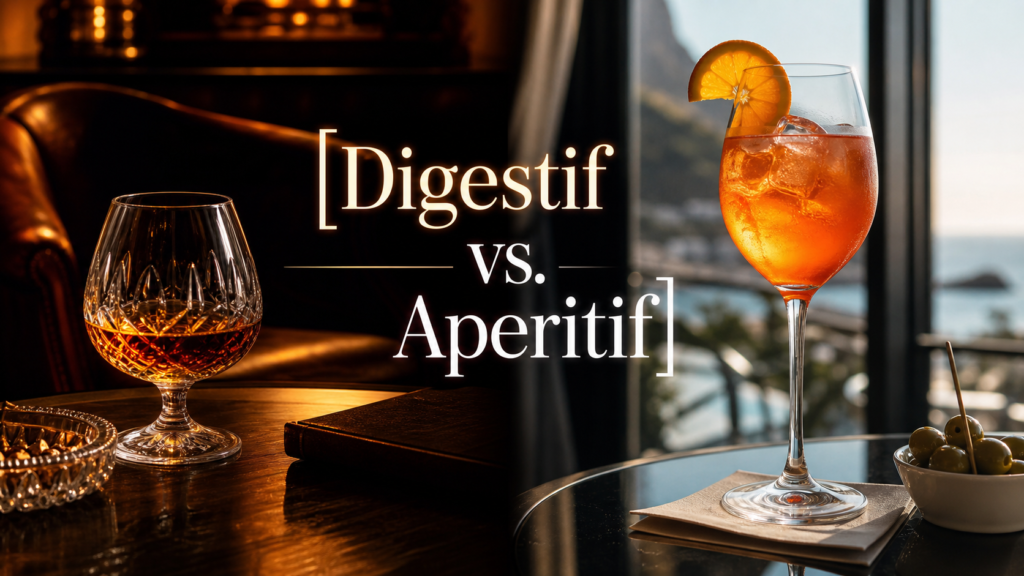
One key lesson in A Beginner’s Guide is learning the difference between an aperitif and a digestif. An aperitif is generally served before a meal, while a digestif is traditionally served afterward. Aperitifs often aim to prepare the palate for food. Vermouth, dry wine, and certain bitter drinks are common examples of aperitif styles. Digestifs, on the other hand, are linked with the end of a meal.
| Drink Style | Typical Time | Common Character |
| Aperitif | Before dinner | Light, dry, bitter, fresh |
| Digestif | After dinner | Rich, herbal, sweet, warm |
| Dessert wine | With or after dessert | Sweet, fruity, rich |
| Nightcap | Late evening | Spirit-forward and relaxing |
However, these categories are not strict rules. Many drinks can appear in different settings depending on local culture and personal taste.
Why Does the Difference Matter?
Understanding the difference helps you choose drinks with more confidence. If you’re planning a dinner, you might begin with an aperitif and finish with a digestif. Moreover, knowing the basic terms can make restaurant and bar menus easier to understand.
The Main Types of Digestifs
A Beginner’s Guide becomes much easier when you divide digestifs into simple groups. Instead of memorizing dozens of bottles, learn the main families first.
The most useful categories include:
- Brandy and aged grape spirits
- Fruit brandies
- Amaro
- Herbal liqueurs
- Coffee liqueurs
- Cream liqueurs
- Fortified wines
- Sweet wines
- Aged rum
- Whiskey
- Specialty regional spirits
Each group offers a different drinking experience. Therefore, your personal taste should guide your first choices.
Brandy: A Classic After-Dinner Choice
Brandy is one of the most familiar categories for A Beginner’s Guide to digestifs. It is a broad spirit category that includes drinks made by distilling fermented fruit-based products. Grape brandy is especially important in European drinking culture. Cognac and Armagnac are two well-known French examples.
Cognac
Cognac is a grape brandy from the Cognac region of France. It is often enjoyed neat after dinner. The spirit can show notes of fruit, spice, vanilla, flowers, and oak. However, the exact profile depends on the blend, age, and producer.
Armagnac
Armagnac is another French grape spirit. It comes from Gascony and offers its own regional style. Moreover, Armagnac can be a great choice for someone who wants to compare different French brandies.
How Should Beginners Drink Brandy?
A simple pour in a suitable glass is enough. You don’t need complicated rituals. Therefore, start with a small serving and sip slowly. This allows you to notice aroma, warmth, fruit, oak, and spice.
20 Brandy and Grape-Spirit Ideas

For A Beginner’s Guide, these styles provide a useful starting list:
- Cognac
- Armagnac
- Brandy de Jerez
- Pisco
- Grappa
- Marc
- Calvados
- Eau-de-vie
- Brandy from California
- Spanish brandy
- Italian grappa
- Portuguese aguardente
- Fruit eau-de-vie
- Aged grape brandy
- Young brandy
- VS Cognac
- VSOP Cognac
- XO Cognac
- Apple brandy
- Pear brandy
These styles can differ greatly in sweetness, aroma, texture, and age.
Amaro: Bitter, Herbal, and Complex
Amaro is one of the most important categories in A Beginner’s Guide to digestifs. The Italian word generally refers to bittersweet herbal liqueurs. Amari are made in many styles. Some are dark, rich, and bitter, while others are lighter, sweeter, and more citrus-driven.
What Does Amaro Taste Like?
Amaro can taste herbal, bitter, sweet, citrusy, spicy, earthy, or medicinal. The exact flavor depends on the botanicals and production method. Therefore, beginners should try different styles rather than judging the entire category from one bottle. Some Amari are traditionally served after meals. Others are used in cocktails or enjoyed before meals.
20 Amaro and Herbal Digestif Ideas
Here is another useful list for A Beginner’s Guide:
- Amaro Averna
- Amaro Montenegro
- Amaro Nonino
- Fernet-Branca
- Cynar
- Ramazzotti
- Lucano
- Braulio
- Meletti
- Amaro del Capo
- Zucca
- Jägermeister
- Underberg
- Becherovka
- Unicum
- Chartreuse
- Benedictine
- Drambuie
- Strega
- Centerba
These products are not identical. Some are much sweeter, while others focus strongly on bitterness or herbs.
Fortified Wines as Digestifs

A Beginner’s Guide should also include fortified wines. These wines have additional spirit added during production, creating styles with different strengths and flavors. Port, Madeira, Sherry, and Marsala can all appear in after-dinner settings. However, each wine has its own production method and taste profile.
Port
Port is a fortified wine from Portugal’s Douro region. Sweet styles are often paired with cheese, chocolate, nuts, or desserts.
Madeira
Madeira comes from the Portuguese island of Madeira. It ranges from dry to sweet and is known for complex flavors. Sweet styles can work well as after-dinner sippers.
Sherry
Sherry includes several styles, from very dry to sweet. Therefore, don’t assume that all Sherry tastes the same.
Marsala
Marsala comes from Sicily and is available in dry and sweet styles. It can be enjoyed as a sipping wine or used in cooking.
15 Fortified Wine Ideas
For A Beginner’s Guide, these styles are worth learning:
- Ruby Port
- Tawny Port
- Vintage Port
- White Port
- Late Bottled Vintage Port
- Pedro Ximénez
- Cream Sherry
- Oloroso Sherry
- Amontillado Sherry
- Madeira Malmsey
- Madeira Bual
- Madeira Verdelho
- Madeira Sercial
- Sweet Marsala
- Dry Marsala
The sweetness level makes a major difference. Therefore, check the label or ask the server before ordering.
Fruit Brandies for Beginners

Fruit brandies can be a fun part of A Beginner’s Guide because they show how different fruits can shape a spirit. Calvados, for example, is associated with apples from Normandy. Pear beau-de-vie can have a delicate fruit aroma, while cherry brandy can offer richer fruit notes. Moreover, fruit spirits are often enjoyed in small pours. Their aromas can be more noticeable when served at an appropriate temperature.
Popular Fruit-Spirit Styles
Try learning about:
- Calvados
- Kirsch
- Poire Williams
- Slivovitz
- Apricot brandy
- Plum brandy
- Pear eau-de-vie
- Raspberry eau-de-vie
- Cherry liqueur
- Apple brandy
However, fruit liqueurs and fruit brandies are not always the same. Liqueurs usually contain added sweetness, while traditional fruit brandies may be much drier.
Coffee and Dessert Liqueurs
Another useful part of A Beginner’s Guide is learning about dessert-friendly liqueurs. These drinks can pair naturally with coffee, chocolate, vanilla, nuts, and creamy desserts. Coffee liqueurs often taste sweet and rich. Cream liqueurs add a smooth texture and can work well with desserts.
Popular Dessert-Friendly Choices
Consider:
- Coffee liqueur
- Chocolate liqueur
- Hazelnut liqueur
- Almond liqueur
- Orange liqueur
- Irish cream
- Vanilla liqueur
- Coconut liqueur
Moreover, dessert liqueurs can be enjoyed alone or used in cocktails. However, sweetness can become heavy after a large meal.Therefore, a small serving is often enough.
Whiskey as a Digestif
Whiskey can also fit into A Beginner’s Guide because many people enjoy it after dinner. Bourbon, Scotch, Irish whiskey, and other styles can offer very different flavors. Some whiskeys taste fruity and light. Others can be smoky, spicy, woody, or rich.
Beginner Whiskey Choices
If you’re new to whiskey, start with a style that matches your taste. Choose a softer bourbon if you like vanilla and caramel notes. Try a lighter Irish whiskey if you want a gentle profile. Meanwhile, smoky Scotch can suit drinkers who enjoy stronger flavors.
Rum After Dinner
Aged rum can also work well in A Beginner’s Guide to after-dinner drinks. Aged rums may show notes of vanilla, caramel, dried fruit, spice, and oak. The style depends on the country, production method, barrel aging, and blend.
How to Serve Aged Rum
A small pour can be served neat. Some people also add a small amount of water. However, there is no need to follow a strict rule. Taste the spirit first and adjust it based on your preference.
How to Choose Your First Digestif

A Beginner’s Guide should make your first choice simple. Start with flavors you already enjoy in food or other drinks. If you like coffee, try a coffee liqueur. If you like dark chocolate, choose a rich dessert liqueur. If you enjoy tea and herbs, an herbal liqueur may suit you. Meanwhile, fruit lovers can explore Calvados or fruit-based spirits.
| If You Like… | Consider Trying… |
| Coffee | Coffee liqueur |
| Chocolate | Chocolate liqueur |
| Citrus | Orange liqueur |
| Herbs | Amaro |
| Fruit | Calvados or fruit brandy |
| Oak | Aged brandy |
| Sweet wine | Port or Madeira |
| Smoky flavors | Peated Scotch |
Therefore, your existing food preferences can make choosing much easier.
How Digestifs Are Usually Served
Serving style is another important part of A Beginner’s Guide. Digestifs are usually enjoyed slowly rather than quickly. A small glass is often enough. Some spirits are served neat, while others may be chilled or served with ice. Moreover, serving temperature can affect aroma and texture.
Neat
Neat means the drink is served without ice or mixers. This is common for aged spirits and some liqueurs.
With Ice
Some drinkers prefer ice because it lowers the temperature and slowly dilutes the spirit.However, ice can also reduce the intensity of certain aromas.
With Water
A few drops of water can open some spirit styles. This is especially common with whiskey.Still, the best method is the one you enjoy.
Digestif Glassware
Glassware can improve the drinking experience, but expensive glasses are not required. A Beginner’s Guide should focus on flavor before equipment. Brandy is often served in a bowl-shaped glass that helps capture aroma. Liqueurs may be served in smaller cordial glasses. Fortified wines can work well in wine-style glasses. Therefore, use clean glassware that allows you to smell the drink.
How Much Should You Serve?
A digestif is usually a small after-dinner drink. The exact serving size varies by drink, country, venue, and personal choice. Because spirits can contain significant alcohol, moderation matters. Don’t treat a digestif as a health drink or digestive medicine. Moreover, avoid driving after drinking. If you’re traveling, plan a safe way back to your hotel or accommodation.
Pairing Digestifs With Dessert

Food pairing is one of the most enjoyable parts of A Beginner’s Guide. The goal is to create balance rather than make every flavor equally strong. Sweet drinks can work with desserts that have similar or slightly lower sweetness. Bitter drinks can provide contrast against rich foods.
Chocolate
Try rich liqueurs, aged rum, Port, or certain brandies.
Cheese
Port and some fortified wines can pair well with cheese. The right pairing depends on the cheese and wine style.
Fruit Desserts
Fruit brandies and citrus liqueurs can complement fruit-based desserts.
Coffee Desserts
Coffee liqueurs and aged spirits can work with coffee-flavored desserts.Therefore, think about sweetness, richness, fruit, spice, and bitterness.
15 Digestifs for Different Desserts
Another useful list for A Beginner’s Guide includes these combinations:
- Chocolate cake — Port
- Tiramisu — coffee liqueur
- Apple tart — Calvados
- Pear dessert — pear brandy
- Cheesecake — sweet fortified wine
- Dark chocolate — aged rum
- Vanilla dessert — brandy
- Citrus tart — orange liqueur
- Nut dessert — Amaretto
- Fruit tart — fruit brandy
- Crème brûlée — sweet Madeira
- Blue cheese — Port
- Ice cream — coffee liqueur
- Caramel dessert — bourbon
- Spiced cake — aged rum
These are starting points rather than strict rules. Personal taste always matters.
Regional Digest of Traditions

Culture plays a major role in A Beginner’s Guide. Different countries have developed their own after-dinner traditions. Italy is closely associated with Amari and other herbal liqueurs. France has a long tradition of brandy, Cognac, Armagnac, and liqueurs. Portugal is famous for fortified wines such as Port and Madeira. Spain has a wide range of brandies and Sherry styles. Moreover, Central European countries have their own herbal and fruit spirits.
Italy
Italian digestivi include many bitter and herbal liqueurs. Some are traditionally enjoyed after meals.
France
French after-dinner choices often include Cognac, Armagnac, and fruit-based spirits.
Portugal
Port and Madeira offer sweet, dry, rich, and complex options.
Spain
Spanish brandy and Sherry provide several different after-dinner choices.Therefore, regional traditions can help you discover new styles.
101 Digestif Ideas to Know
For readers using A Beginner’s Guide, here is a broad list of styles and examples:
- Cognac
- Armagnac
- Calvados
- Brandy de Jerez
- Pisco
- Grappa
- Marc
- Eau-de-vie
- Poire Williams
- Kirsch
- Slivovitz
- Apple brandy
- Pear brandy
- Cherry brandy
- Apricot brandy
- Amaro Averna
- Amaro Montenegro
- Amaro Nonino
- Fernet-Branca
- Cynar
- Ramazzotti
- Lucano
- Braulio
- Meletti
- Amaro del Capo
- Zucca
- Unicum
- Becherovka
- Underberg
- Chartreuse
- Benedictine
- Drambuie
- Strega
- Centerba
- Jägermeister
- Port
- Ruby Port
- Tawny Port
- Vintage Port
- White Port
- Madeira
- Sercial Madeira
- Verdelho Madeira
- Bual Madeira
- Malmsey Madeira
- Oloroso Sherry
- Amontillado Sherry
- Pedro Ximénez
- Cream Sherry
- Dry Marsala
- Sweet Marsala
- Coffee liqueur
- Chocolate liqueur
- Hazelnut liqueur
- Almond liqueur
- Orange liqueur
- Vanilla liqueur
- Irish cream
- Coconut liqueur
- Fruit liqueur
- Bourbon
- Rye whiskey
- Irish whiskey
- Scotch whisky
- Single malt Scotch
- Blended Scotch
- Aged rum
- Dark rum
- Agricole rum
- Aged tequila
- Mezcal
- Sotol
- Herbal schnapps
- Fruit schnapps
- Kümmel
- Aquavit
- Slivovitz
- Rakija
- Pálinka
- Ouzo
- Tsipouro
- Metaxa
- Aguardente
- Grappa-based liqueur
- Orange brandy
- Coffee spirit
- Walnut liqueur
- Cherry liqueur
- Raspberry liqueur
- Fig liqueur
- Date liqueur
- Honey liqueur
- Ginger liqueur
- Cinnamon liqueur
- Anise liqueur
- Herbal bitters
- Bitter orange liqueur
- Spiced rum
- Barrel-aged liqueur
- Dessert wine
- After-dinner cocktail
This list shows how broad the digestif world can be. However, not every item is exclusively a digestif.
Can Cocktails Be Digestifs?
Yes. A Beginner’s Guide should not focus only on neat spirits. Some cocktails are also classified as after-dinner or digestif drinks. Gifford’s Guide lists many cocktails under the after-dinner digestif category. These include drinks that often feature bittersweet liqueurs or spirit-forward flavors.
Examples include:
- Espresso Martini
- Black Manhattan
- Vieux Carré
- Hanky Panky
- Monte Carlo
- Toronto
- Boulevardier variations
- Amaro cocktails
Moreover, cocktails can be a good option for drinkers who find neat spirits too strong.
Beginner-Friendly Digestif Cocktails

For A Beginner’s Guide, cocktails can make the category easier to approach. An Espresso Martini can suit coffee lovers. A Black Manhattan can suit someone who enjoys whiskey and bitter flavors. Meanwhile, an amaro-based cocktail can offer a gentler introduction to herbal bitterness. However, cocktails can contain more than one alcoholic ingredient. Therefore, drink slowly and pay attention to serving size.
Common Digestif Mistakes
A good A Beginner’s Guide should also explain what to avoid. The biggest mistake is assuming that every digestif tastes the same. Another mistake is choosing a drink only because it sounds expensive. Price does not automatically mean that a drink will match your taste. Moreover, beginners sometimes order a very bitter amaro without knowing what to expect. Start with approachable styles if bitterness is new to you. Finally, don’t feel pressure to drink a particular style. Wine and spirits are personal experiences.
How to Taste a Digestif
Tasting is a key part of A Beginner’s Guide. You don’t need formal training to notice useful details. First, look at the color. Then smell the drink before taking a small sip. Next, notice the first flavor. After that, think about the finish.
Ask yourself:
- Is it sweet?
- Is it bitter?
- Is it dry?
- Is it fruity?
- Is it herbal?
- Is it smoky?
- Is it spicy?
- Is it warm?
- Is it smooth?
- Does the flavor last?
Therefore, tasting becomes easier when you use simple questions.
How to Order a Digestif at a Restaurant

A Beginner’s Guide can also help when reading a restaurant menu. If you don’t know what to order, ask the server for a recommendation. Tell them what flavors you enjoy. For example, say that you prefer sweet, fruity, herbal, smoky, or dry drinks. Moreover, mention whether you want something light or spirit-forward. A good server can often suggest an option based on your meal.
How to Store Digestifs at Home
Storage depends on the drink. Unopened spirits are generally stored away from heat, light, and extreme temperature changes. Once opened, storage needs can vary between products. Fortified wines may behave differently from high-proof spirits. Therefore, follow the producer’s storage guidance when available. Keep all alcoholic drinks away from children and anyone who should not access them.
How to Build a Small Digestif Collection
You don’t need 101 bottles to understand digestifs. A Beginner’s Guide is about learning categories, not collecting everything.
Start with three or four contrasting styles.
For example:
- One aged brandy
- One approachable amaro
- One sweet fortified wine
- One dessert-friendly liqueur
This gives you several flavor directions without creating a large collection.Moreover, you can compare them with different desserts and meals.
Digestifs for Different Taste Preferences

Another useful part of A Beginner’s Guide is matching drinks with personal taste.
If You Like Sweet Flavors
Try Port, cream liqueurs, coffee liqueurs, or sweet Madeira.
If You Like Bitter Flavors
Explore amaro, Fernet-style drinks, or herbal bitters.
If You Like Fruit
Try Calvados, fruit brandies, or fruit liqueurs.
If You Like Oak
Choose aged Cognac, Armagnac, whiskey, or aged rum.
If You Like Smoke
Explore selected peated Scotch styles.Therefore, your favorite foods and drinks can guide your first purchase.
Are Digestifs Good for Digestion?
A traditional A Beginner’s Guide often mentions the idea that digestion aids digestion. However, this claim should be handled carefully. Digestives have long been associated with after-meal drinking traditions. Yet alcoholic drinks should not be considered digestive medicines or health treatments. Therefore, enjoy them for their taste and cultural tradition rather than promised health benefits. If you have health concerns, take medication, are pregnant, or avoid alcohol, don’t use alcohol as a digestive remedy.
Responsible Drinking Matters

A complete A Beginner’s Guide should include responsible drinking advice. Alcohol affects people differently, and spirits can contain a high concentration of alcohol. Therefore, drink slowly and keep portions modest. Never drive after drinking. Also, local laws can set different minimum drinking ages and rules. Check the rules where you are traveling or dining. If you don’t drink alcohol, many restaurants now offer non-alcoholic options. You can still enjoy the meal without ordering a digestif.
Frequently Asked Questions
What is a digestif?
A digestif is traditionally an alcoholic drink served after a meal. Common examples include brandy, amaro, fortified wine, and herbal liqueurs.
Is a digestif the same as an aperitif?
No. An aperitif is generally enjoyed before a meal, while a digestif is traditionally served afterward. The two categories can overlap in some drinking cultures.
What is the best digestif for beginners?
An approachable brandy, sweet fortified wine, or mild liqueur can be a good starting point. Choose based on flavors you already enjoy.
Should digestifs be served neat?
Many digestifs are served neat, but not all require this method. Some can be served chilled, over ice, or in cocktails.
Are digestifs sweet?
Some are sweet, but many are dry, bitter, herbal, or spirit-forward. Amaro, for example, can range from sweet and citrusy to strongly bitter.
Can wine be a digestif?
Yes. Fortified wines such as Port and Madeira are commonly enjoyed after meals. Sweet wines can also serve a similar role.
Do digestifs actually help digestion?
The idea comes from tradition, but you should not treat alcoholic digestifs as medical digestive aids. Enjoy them for flavor and cultural tradition instead.
Conclusion
A Beginner’s Guide to digestifs shows that after-dinner drinks offer a huge range of flavors and traditions. You can explore aged brandy, herbal amaro, fortified wines, fruit spirits, whiskey, rum, and dessert liqueurs. Moreover, you don’t need expert knowledge to enjoy them. Start with flavors you already like and try one category at a time. A sweet Port may suit a dessert lover, while an aged brandy may appeal to someone who enjoys oak and spice. Meanwhile, an herbal amaro can introduce a completely different style. Therefore, the best digestif is not always the most expensive or famous bottle. It is the one that fits your taste, meal, and occasion.
Ultimately, A Beginner’s Guide is about curiosity, moderation, and simple tasting. You can begin with a small selection and learn how different regions make their after-dinner drinks. Furthermore, comparing sweetness, bitterness, fruit, herbs, spice, oak, and texture can make each tasting more interesting. Remember that digestifs belong to a long social and culinary tradition, but they should not be viewed as health treatments. Drink responsibly, never drive after drinking, and follow local alcohol laws wherever you are. With those basics in mind, you can approach the world of wine and spirits with more confidence and enjoy the many styles that make the digestif tradition so diverse.