



Cheers Around the World shows how one simple toast can connect people across different cultures. From a busy pub in London to a family dinner in Italy, people raise glasses for many reasons. A toast can celebrate friendship, welcome guests, mark a special event, or simply start a meal. Moreover, each country has its own word, style, and social customs. Some people say a short phrase, while others give a longer toast before drinking. Therefore, learning these expressions can make travel more fun and respectful. You don’t need to know every local rule before your trip. However, knowing a few common words can help you join a social moment with confidence. This guide covers more than 15 ways to say cheers, along with simple cultural notes for travelers.
The world of Cheers Around the World is about more than alcohol. Many toast words refer to health, happiness, friendship, honor, success, or good fortune. Furthermore, some cultures place strong value on the moment before the first sip. Japan, for example, uses “Kampia” as a common toast, and travelers are advised to wait until the toast before drinking. Meanwhile, other places may have different rules about eye contact, clinking glasses, or who gives the first toast. As a result, a little cultural knowledge can help you avoid awkward moments. This guide focuses on language, customs, travel etiquette, and the meaning behind popular international toasts. It also includes tips for responsible drinking and ways to enjoy these traditions without needing to drink alcohol.
What Does “Cheers” Mean Around the World?
Cheers Around the World can have different meanings depending on the language and culture. In many places, the local word expresses a wish for health, happiness, friendship, success, or good fortune. Therefore, the English word “cheers” does not always have one exact match. A toast can also be a social signal. For example, people may use it before dinner, during a wedding, at a birthday, or when meeting friends. Moreover, the same word can sound different depending on the country and local pronunciation. The important point is respect. Travelers should watch what local people do and follow the setting. Furthermore, not every social event requires alcohol. A toast can also be made with water, juice, tea, coffee, or another non-alcoholic drink.
15+ Popular Cheers Around the World

The following table gives you a quick guide to common international toast words. Meanings and pronunciation can vary by language and region, so treat them as simple travel references.
| Country or language | Common toast | Simple meaning |
| United Kingdom | Cheers | Good health / thanks |
| France | Santé | To health |
| Spain | Salud | To health |
| Italy | Salute | To health |
| Germany | Prost | Good health / cheers |
| Japan | Kanpai | Cheers |
| Sweden | Skål | Cheers |
| Norway | Skål | Cheers |
| Denmark | Skål | Cheers |
| Poland | Na zdrowie | To health |
| Czech Republic | Na zdraví | To health |
| Ireland | Sláinte | To health |
| Portugal | Saúde | To health |
| Turkey | Şerefe | To honor |
| Georgia | Gaumarjos | A toast expressing victory |
| Israel | L’chaim | To life |
| Greece | Yamas | Cheers |
Cheers in the United Kingdom
Cheers Around the World often begins with the familiar English word “cheers.” In the United Kingdom, people can use “cheers” as a toast, especially in casual social settings. Moreover, the word has another common use in everyday British English. A person may say “cheers” instead of “thank you” in an informal situation. However, when used before drinking, it works as a friendly toast. You may hear it in pubs, restaurants, homes, and gatherings. For travelers, the word is easy to remember. Therefore, simply saying “cheers” with a friendly smile can work in many casual settings.
Cheers in France: Santé
French speakers commonly use “santo” as a toast. The word is linked to health, which makes it similar to several other European expressions. Furthermore, it is short and easy for visitors to learn. Cheers Around the World becomes especially interesting in France because food and social dining are closely connected. A toast may happen during a meal, a celebration, or a relaxed evening with friends. If you’re visiting Paris, Lyon, Bordeaux, or another French city, listen to the people around you. Then, follow their pace and social style.
Cheers in Spain: Saluda
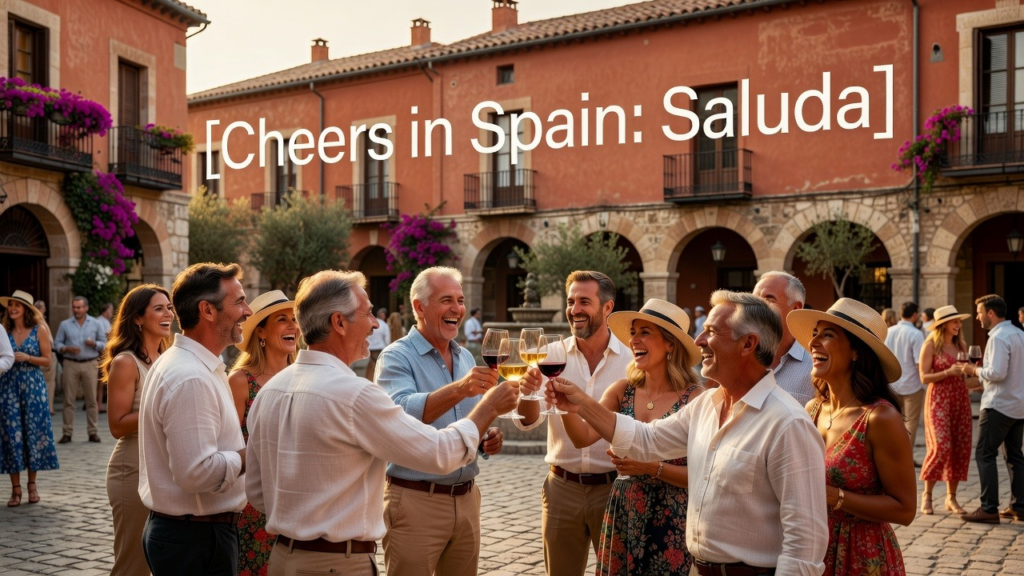
In Spain, “salads” is a common toast. It means “health,” so the basic idea is easy for English speakers to understand. Moreover, it reflects a wider tradition of wishing someone good health. Cheers Around the World can be a useful way to learn these simple connections. When you remember that “salads” means health, the word becomes easier to recall. Spain also offers many different social dining settings. You may hear a toast during a dinner, celebration, family gathering, or evening with friends. Therefore, travelers should focus on the people and setting rather than forcing a formal toast.
Cheers in Italy: Salute
Italian speakers commonly say “salute” when raising a glass. Like several European toast words, it refers to health. Furthermore, the word is easy to pronounce for many English speakers. Cheers Around the World shows how several languages use health as the main idea. This pattern is common across many European cultures. In Italy, social meals can last for a long time. Therefore, don’t feel rushed to finish your drink. Enjoy the food, conversation, and company at a comfortable pace.
Cheers in Germany: Prost
“Prost” is one of the best-known German toast words. It is short, clear, and easy to remember. Moreover, visitors may hear it in many casual drinking settings. Cheers Around the World becomes more useful when you learn the local word before arriving. Saying “Prost” can show that you’ve made an effort to understand local customs. However, the setting still matters. A formal event may feel different from a casual evening with friends. Therefore, observe the group before making your toast.
Cheers in Japan: Kanpai
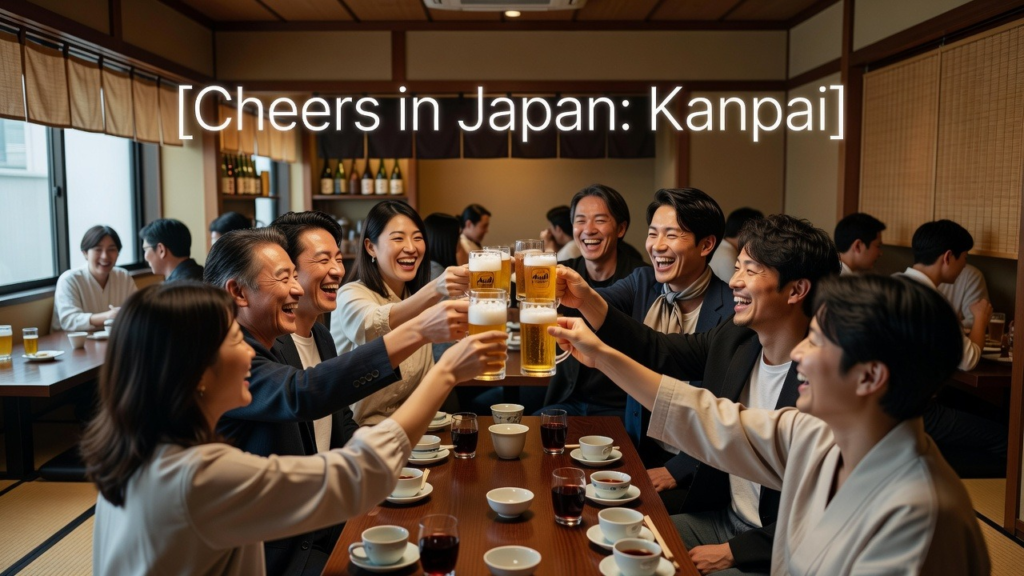
Japan offers one of the clearest examples of why toast etiquette matters. “Kampia” is commonly used before drinking, and travelers should wait for the toast before taking their first sip. Cheers Around the World is not only about learning words. It is also about learning when to use them. In Japan, this small point of etiquette can make a social gathering feel much smoother. Japan’s drinking culture includes sake, beer, and other drinks. Official tourism guidance notes that social drinking is common and that sake has an important place in Japanese culture.
A Simple Japan Toast Tip
If someone raises a glass and says “konpa,” wait for the group. Then, raise your glass and respond with “konpa. You don’t need a long speech. Instead, focus on being polite and following the group.
Cheers in Sweden: Skål
Swedish speakers commonly use “skill” as a toast. The word is short and has a distinct Scandinavian sound. Therefore, it can be a fun word to learn before visiting Sweden. Cheers Around the World includes many Scandinavian expressions because neighboring countries share some cultural similarities. However, each country still has its own language and traditions. In Sweden, you may encounter the word during meals, celebrations, or social gatherings. As always, watch the people around you and follow their lead.
Cheers in Norway: Skål
Norwegian also uses “skill” as a common toast. This makes it easy for travelers who already know the Swedish expression. Cheers Around the World shows how nearby countries can have similar words. Still, that does not mean every social custom is exactly the same. If you’re visiting Norway, use the word naturally. A simple “skill” is usually enough for an informal toast.
Cheers in Denmark: Skål
Denmark also uses “skill” for toast. Therefore, travelers exploring Scandinavia may notice familiar sounds across different countries. Cheers Around the World can help you remember these similarities. However, don’t assume that one word means every country has identical drinking customs. A relaxed approach works best. Listen carefully, copy the local rhythm, and avoid making the toast feel forced.
Cheers in Ireland: Sainte
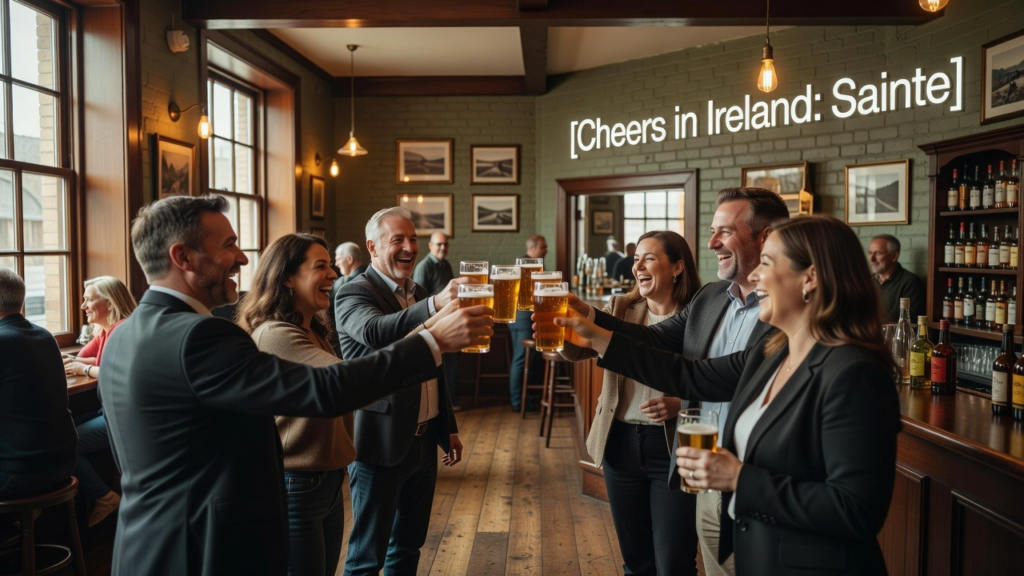
“Salient” is a well-known Irish toast. It comes from the Irish language and is associated with good health. Cheers Around the World becomes especially interesting when a toast connects directly with language and identity. In Ireland, learning a local expression can add a small cultural touch to your trip. You may hear “salient” in social settings where people are raising a drink. However, travelers should remember that drinking is not required to enjoy the phrase or tradition.
Cheers in Poland: Na drowse
In Poland, “an drowse” is commonly used as a toast and means “to your health.” The expression is also familiar in other social contexts. Cheers Around the World highlights how health appears again and again in international toast traditions. This makes many expressions easier to remember. If you are learning Polish for travel, this phrase is a useful addition. Furthermore, learning just one friendly phrase can make simple interactions feel more welcoming.
Cheers in the Czech Republic: Na zdraví
The Czech expression “an drive” also means “to your health.” It shares a clear connection with the Polish phrase. Cheers Around the World gives travelers a simple way to compare these expressions. The words may look similar because the languages have related Slavic roots. When visiting Prague or other Czech destinations, listen to the pronunciation. Then, try the phrase naturally rather than worrying about perfect pronunciation.
Cheers in Portugal: Saudi
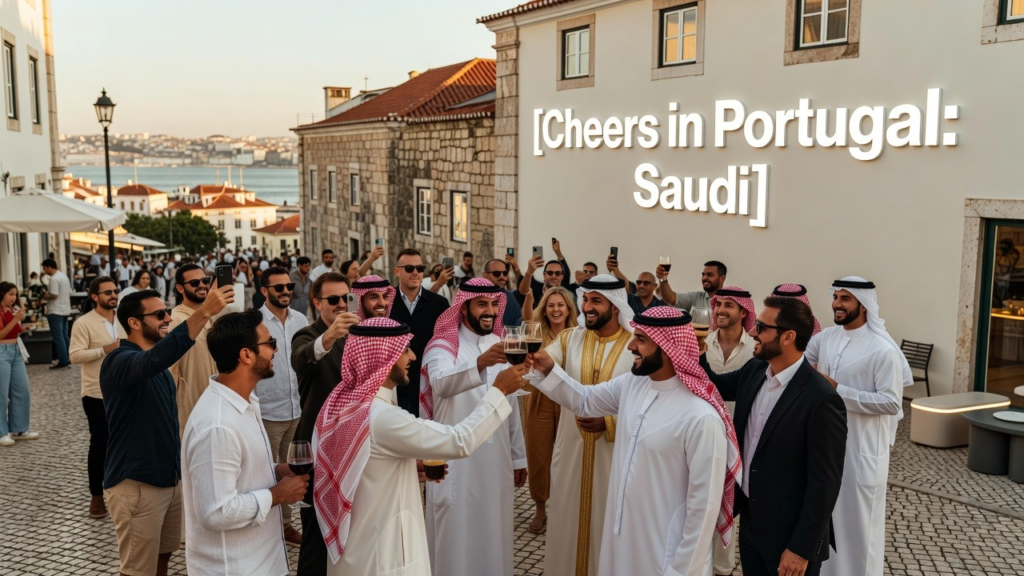
Portuguese speakers commonly use “saúde” as a toast. The word is related to health, just like the Spanish “Saluda” and Italian “salute.” Cheers Around the World becomes easier to remember when you group similar meanings. Health-based toast words appear across many languages. Portugal offers many social settings where travelers can enjoy local food and conversation. Therefore, a simple local phrase can add a nice cultural touch to your evening.
Cheers in Turkey: Serifed
“Serifed” is commonly used as a Turkish toast. The word is connected with the idea of honor. Cheers Around the World shows that toast words can focus on more than health. Some expressions highlight honor, life, friendship, or good fortune. Travelers should still respect local customs and personal choices. Therefore, use the phrase as a friendly cultural expression rather than assuming everyone wants to drink alcohol.
Cheers in Georgia: Gaumarjos
Georgia has a particularly rich tradition of toasting. “Gambaro’s” is commonly translated in travel contexts as a toast associated with victory. Cheers Around the World takes on a deeper meaning in Georgia because toasting can be an important part of social gatherings. A Georgian toast may be longer and more meaningful than a quick one-word expression. Visitors should pay attention to the person leading the gathering. Moreover, it is often better to listen first and understand the rhythm of the table.
Georgian Toasts Can Be Longer
A Georgian toast may focus on family, friendship, guests, peace, love, or other meaningful subjects. Therefore, visitors should not assume every toast is simply a quick “cheers.” If you’re invited to a Georgian meal, listening carefully can be the best form of respect.
Cheers in Israel: L’chaim
“L’chaim” is a well-known Hebrew toast that means “to life.” It carries a warm and positive message. Cheers Around the World includes this expression because it shows how a short toast can carry a strong idea. The phrase is also familiar to many people outside Israel because of its use in Jewish cultural and religious contexts. However, travelers should remember that language and cultural meaning can vary by setting.
Cheers in Greece: Yama’s

In Greece, “Yama’s” is commonly used as a toast. It is a simple expression that travelers may hear during social meals and gatherings. Cheers Around the World becomes especially useful for travelers who enjoy learning local phrases. A short word can make a restaurant visit or dinner with friends feel more connected to the destination. Greece has a strong food culture, so social meals can be an important part of travel. Therefore, enjoy the conversation and local dishes as much as the toast itself.
Why Do So Many Toasts Mean “To Health”?
Many international toast words connect with health. This is one of the strongest patterns found in Cheers Around the World. The idea makes sense because people often wish good things for others during celebrations. Health is one of the simplest and most universal wishes. However, not every toast focuses on health. Some refer to life, honor, victory, friendship, happiness, or good fortune. Therefore, learning the meaning can give you a better understanding of each culture.
Cheers Around the World: Quick Comparison
Here’s a simple comparison for travelers who want to remember the most useful expressions.
| Destination | Toast word | Main idea |
| UK | Cheers | Friendly toast |
| France | Santé | Health |
| Spain | Salud | Health |
| Italy | Salute | Health |
| Germany | Prost | Good health / cheers |
| Japan | Kanpai | Cheers |
| Sweden | Skål | Cheers |
| Ireland | Sláinte | Health |
| Poland | Na zdrowie | Health |
| Portugal | Saúde | Health |
| Turkey | Şerefe | Honor |
| Georgia | Gaumarjos | Victory |
| Israel | L’chaim | Life |
| Greece | Yamas | Cheers |
How to Use Local Toasts When Traveling
Learning Cheers Around the World expressions can be fun, but travelers should use them naturally. You don’t need to surprise everyone with a long list of foreign words. Instead, learn one or two expressions before your trip. Then, listen for them during meals, celebrations, and social gatherings.
Watch Before You Join
The easiest rule is to observe first. If everyone raises a glass, follow the group. If someone makes a toast, wait until they finish. Moreover, don’t worry about having perfect pronunciation. A polite attempt usually matters more than sounding like a native speaker.
Respect Personal Choices
Not everyone drinks alcohol. Therefore, never pressure another person to drink. A toast can often be made with a non-alcoholic drink. Water, juice, soda, tea, and other beverages can still be part of a social celebration.
Follow Local Etiquette
Some cultures have specific rules about when people drink. Japan is one example, where official tourism guidance advises waiting for the toast before drinking. Therefore, travelers should learn the basic customs of their destination. This small effort can help avoid misunderstandings.
Best Places to Learn Toast Traditions
Cheers Around the World can be easier to understand when you experience the culture directly.
Local Restaurants
Restaurants can be a good place to hear local toast words. Listen to how groups interact before copying the phrase.
Traditional Cafés and Bars
Local social venues can show you how people use casual expressions. However, always follow the venue’s rules and local laws.
Food and Culture Tours
A guided food tour can explain local dishes and social customs. Furthermore, guides can help with pronunciation and cultural context.
Festivals and Celebrations
Public celebrations may include traditional food, music, and social rituals. Therefore, they can offer a broader view of local culture.
Tips for Responsible Drinking While Traveling
Learning Cheers Around the World should never mean drinking more than you normally would. Travel can already involve long days, changing schedules, heat, walking, and unfamiliar surroundings. Therefore, if you choose to drink, do so responsibly. Eat with your drink when appropriate, stay hydrated, and know your own limits.
Don’t Drink and Drive
Never drive after drinking. Use public transportation, a taxi, rideshare service, or another safe option where available.
Stay Aware
Alcohol can affect your judgment and awareness. Therefore, keep your belongings secure and stay with trusted companions.
Know Local Laws
Alcohol rules can differ greatly between countries and cities. Moreover, legal drinking ages and public drinking rules vary. Always check current local rules before drinking while abroad.
Colic Drinks It Okay to Say Cheers With a Non-Alcohol

Yes, a toast does not have to involve alcohol. Cheers Around the World is mainly about social connection and cultural expression. You can raise a glass of water, juice, soda, tea, or another suitable drink. Therefore, people who don’t drink alcohol can still join a toast. This is especially useful when traveling with families or groups with different preferences. Everyone can take part without feeling pressured.
How to Remember International Toasts
There are many expressions to learn, so don’t try to memorize them all at once. Instead, group them by meaning. For example, santo, salads, salute, saúde, and several other expressions connect with health. Then, create simple travel notes on your phone. Add the country, toast word, pronunciation, and meaning.
Learn Five First
Start with five common expressions:
- Cheers — English
- Santé — French
- Salud — Spanish
- Prost — German
- Kanpai — Japanese
Once you know these, add more based on your travel plans.
Why Learning Toasts Makes Travel More Fun

Cheers Around the World can give travelers a small but useful connection with local culture. A single word can open a conversation and show that you’re interested in the destination. Moreover, language learning does not need to be difficult. You can learn useful phrases before a trip without studying an entire language. The goal is not perfect fluency. Instead, the goal is respect, curiosity, and a willingness to participate appropriately.
Frequently Asked Questions
What is the most common way to say cheers?
There is no single global word for cheers. “Cheers,” “salud,” “santé,” “prost,” and “kanpai” are among the better-known examples.
What does “kanpai” mean in Japan?
“Kanpai” is commonly used as a toast in Japan. Travelers should wait for the toast before drinking.
What does “salud” mean?
“Salud” means “health” in Spanish. It is commonly used as a toast before drinking.
What does “Prost” mean in Germany?
“Prost” is a common German toast. It is used as a friendly expression when raising a drink.
What does “Sláinte” mean?
“Sláinte” is an Irish toast associated with good health. It is a popular phrase for travelers to learn.
Can I join a toast without drinking alcohol?
Yes. You can join many toasts with a non-alcoholic drink. The social moment is more important than the type of beverage.
Why should travelers learn local toast words?
Local toast words can help travelers understand social customs. Moreover, using one correctly can make cultural interactions feel more natural.
Conclusion
Cheers Around the World offers a simple way to see how different cultures celebrate together. Words such as cheers, santé, Saluda, salute, prost, Kampia, skill, salient, and l’chaim may sound very different. However, many carry similar ideas about health, friendship, life, honor, happiness, or good fortune. Furthermore, these expressions show that social traditions can connect people even when languages are very different. You don’t need to become an expert in local customs before traveling. Instead, learn a few useful words, watch how local people behave, and follow the setting respectfully. Most importantly, remember that drinking is always a personal choice.
Travel is about more than seeing famous places. Therefore, small cultural details can make a trip feel more personal and meaningful. Learning Cheers Around the World expressions can help you start conversations, understand local traditions, and enjoy social moments with greater confidence. Whether you’re sharing dinner in Italy, visiting a pub in Ireland, enjoying a meal in Japan, or joining friends in another country, a simple toast can become a memorable travel moment. Moreover, you can take part without alcohol by choosing a drink that suits you. Overall, the best toast is one shared with respect, good company, and a genuine appreciation for the culture around you.