
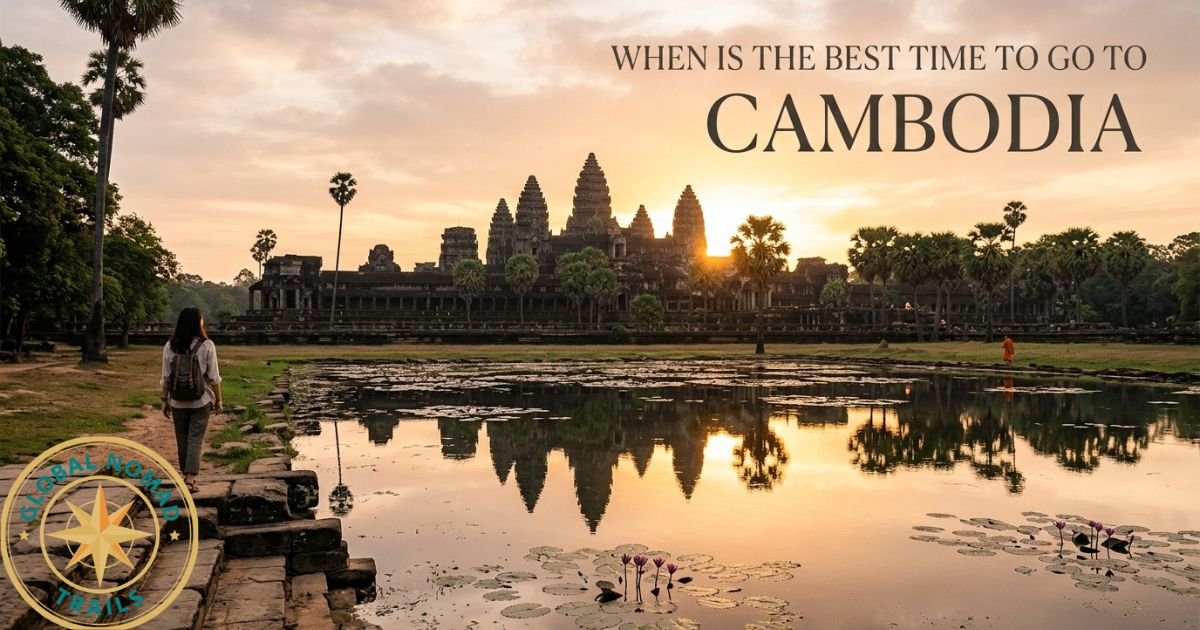
Planning a trip to Cambodia becomes much easier when you understand its tropical climate. From exploring the ancient temples of Angkor Wat to relaxing on tropical islands and discovering traditional Cambodian culture, the weather can influence almost every part of your journey.
Cambodia has two main seasons: the dry season and the rainy season. The dry season generally runs from November to April, while the rainy season lasts from May to October. The dry months are further divided into a cooler period and a hotter period, with temperatures often rising above 35°C (95°F) during March and April.
The best time to visit Cambodia depends on your priorities. If you want comfortable weather for sightseeing, November through February is usually the best choice. If you prefer lower prices and green landscapes, the rainy season may offer a rewarding alternative. This guide explains what to expect throughout the year so you can choose the right time for your trip.
Cambodia’s Weather at a Glance
Cambodia has a tropical monsoon climate, with warm temperatures throughout the year. However, rainfall, humidity, and travel conditions vary by season and region.
| Season | Months | Typical Conditions | Best For |
| Dry and cooler season | November–February | Less rainfall, lower humidity, more comfortable mornings | Temple visits, sightseeing, first-time visitors |
| Hot and dry season | March–April | Intense heat, strong sunshine, limited rainfall | Flexible itineraries, cultural events, quieter sightseeing periods |
| Transition to rainy season | May | Rising humidity and increasingly frequent showers | Green landscapes and potentially better-value travel |
| Rainy or green season | June–October | Regular rain, lush scenery, humid conditions | Photography, greener countryside, potentially lower accommodation prices |
These are general seasonal patterns rather than guarantees. Conditions can differ between Phnom Penh, Siem Reap, the coastal region, and the country’s rural highlands.
The Dry Season (November to February): Best Overall Weather
November to February is generally the most comfortable time to visit Cambodia. Rainfall is usually limited, humidity is often lower than during the wet season, and mornings and evenings can feel pleasantly cool.
This period is particularly suitable for travelers who plan to spend long hours exploring outdoor attractions.
If you are planning a trip during the dry season, you can also explore our guide to where to travel in December on a budget for more destination ideas and budget-friendly travel inspiration.
Why Choose the Dry Season?
The dry season offers favorable conditions for visiting the Angkor Archaeological Park, home to the world-famous Angkor Wat temple complex. You can explore ancient temples, walk through historic sites, and enjoy sunrise photography with a lower risk of rain interrupting your plans.
You can also explore Phnom Penh’s museums and royal landmarks, take a boat trip on Tonle Sap Lake when local conditions permit, or plan a coastal escape to Cambodia’s southern beaches and islands.
For official visitor information, consult the Cambodia Ministry of Tourism and Angkor Enterprise.
Practical Tips
- Crowd levels: November through February is a popular travel period, particularly around major holidays. Expect more visitors at famous attractions.
- Booking accommodation: Reserve your hotel and major transport connections in advance if you plan to travel during the busiest weeks.
- Temple visits: Arrive early in the morning to enjoy cooler temperatures and better opportunities for photography.
- What to pack: Bring lightweight clothing, comfortable walking shoes, sun protection, and a light layer for cooler early mornings.
Best for: First-time visitors, temple exploration, outdoor sightseeing, and travelers who prefer relatively dry weather.
The Hot Season (March to May): Best for Fewer Crowds with High Temperatures
March and April are among Cambodia’s hottest months. Daytime temperatures can exceed 35°C (95°F), and some areas may experience temperatures above 40°C (104°F). Humidity can also make outdoor activities feel more exhausting.
May is a transition month in many parts of the country, as rainfall begins to become more frequent.
Travel Experience
Traveling during the hotter months can still be enjoyable if you plan your days carefully. Start outdoor activities early, take a break during the hottest part of the afternoon, and choose indoor attractions or shaded cafés when temperatures rise.
Some popular attractions may be less crowded than during the peak dry-season period, although visitor numbers vary by destination and holiday dates. Do not assume that every hotel or tour will be cheaper.
If Angkor Wat is a priority, consider visiting at sunrise and returning to your accommodation for a midday rest before continuing later in the day.
Good to Know
Cambodian New Year, also known as Chaul Chnam Thmey, takes place in mid-April. The celebration includes traditional activities, family gatherings, temple visits, and lively public festivities.
It can be a memorable cultural experience, but travel demand may increase around the holiday, and some businesses may operate on different schedules. Check local transport and accommodation arrangements before your visit.
How to Stay Comfortable in the Heat
- Drink water regularly and carry a refillable water bottle.
- Wear breathable, lightweight clothing.
- Use sunscreen, sunglasses, and a hat.
- Avoid strenuous outdoor activities during the hottest hours.
- Choose accommodation with reliable air conditioning if you are sensitive to heat.
Best for: Travelers with flexible schedules, visitors interested in Cambodian New Year, and people who can comfortably manage high temperatures.
The Monsoon Season (June to October): Best for Lush Landscapes and Budget Travel
Cambodia’s rainy season generally extends from May to October, with June through October bringing regular monsoon rainfall. The southwest monsoon transforms the countryside, making rice fields greener and replenishing lakes, rivers, and waterways.
Rain does not necessarily prevent sightseeing. In many places, showers occur in the afternoon or evening, leaving opportunities for morning activities. However, rainfall patterns are not predictable everywhere, and prolonged wet weather can occur, especially during the wetter months.
Why Choose the Monsoon Season?

One of the biggest advantages of visiting during the green season is the scenery. Rice paddies become vibrant, the landscape looks fresh, and temples surrounded by vegetation can offer beautiful photography opportunities.
Angkor Wat remains a year-round attraction, and rain can give its ancient stone structures a distinctive atmosphere. You may also find fewer visitors at certain sites outside busy holiday periods.
Accommodation and tour prices may be lower during parts of the rainy season, but discounts are not guaranteed and vary by location, property, and travel dates.
Important Warnings
- Rural accessibility: Heavy rain can make unpaved roads muddy or difficult to navigate. Some remote routes may take longer than expected.
- Flooding: Localized flooding can affect roads and urban areas during periods of intense rainfall.
- Island travel: Rough seas may disrupt ferry schedules or boat transfers to islands such as Koh Rong. Confirm services close to your departure date.
- Flexible planning: Allow extra time between destinations and avoid scheduling important activities too tightly.
What to Pack for the Rainy Season
Bring a lightweight rain jacket or poncho, quick-drying clothing, comfortable footwear with good grip, and a waterproof bag for your phone and documents. Insect repellent is also useful, particularly when spending time outdoors.
Best for: Budget-conscious travelers, landscape photographers, and visitors who enjoy green scenery and can adapt their plans to changing weather.
Best Time to Visit by Activity
The best time to visit Cambodia can vary depending on what you want to experience.
- For exploring Angkor Wat: November to February usually offers comfortable conditions for walking around the temples. Early mornings are useful throughout the year.
- For beach holidays: November to April is generally a favorable period for Cambodia’s southern coast and islands, although sea conditions can change.
- For budget travel: Parts of the rainy season may offer better accommodation deals and fewer visitors, especially outside major holidays.
- For landscape photography: The green season can provide lush rice fields, dramatic clouds, and reflective water around temples.
- For cultural celebrations: Mid-April is the time for Cambodian New Year, when communities celebrate with traditional and public festivities.
- For avoiding extreme heat: November to February is generally a better choice than March and April.
Practical Tips for Planning Your Trip
A little preparation can make your Cambodia trip more comfortable, regardless of the season.
Plan Outdoor Activities Around the Weather
During the cooler dry months, you can generally schedule longer sightseeing days. In hotter weather, prioritize early mornings and late afternoons. During the rainy season, keep your morning plans flexible and have indoor alternatives ready.
Check Regional Conditions
Cambodia does not experience identical weather everywhere. Conditions in Siem Reap may differ from those on the coast or in mountainous areas. If your itinerary includes several regions, check local forecasts for each destination.
Book Important Transport in Advance
If you are traveling during a popular holiday period, reserve accommodation and essential transport ahead of time. During the rainy season, confirm ferry departures and road transfers shortly before traveling.
Respect Local Customs at Temples
When visiting religious sites, dress respectfully and follow posted rules. Clothing that covers your shoulders and knees is a sensible choice for many temple visits, and some sites may have additional requirements.
Keep Your Itinerary Flexible
Allow extra time for transfers, especially during heavy rain. Travel insurance that covers relevant delays, cancellations, and medical needs may also be worth considering.
Frequently Asked Questions
When Is the Absolute Best Month to Visit Cambodia?
November and December are excellent choices for many travelers because rainfall generally decreases and temperatures are more comfortable than during the hottest months. December is usually drier, while November may offer greener scenery following the rainy season. Both can be busy, so book ahead when traveling during popular holiday periods.
Is Angkor Wat Accessible During the Monsoon Season?
Yes. Angkor Wat is open to visitors throughout the year, although weather and local safety conditions can affect individual activities. During the rainy season, bring rain protection, wear footwear with good grip, and be careful on slippery stone surfaces. Early-morning visits can help you make the most of your day.
How Hot Does Cambodia Get During the Hot Season?
March and April are typically the hottest months. Daytime temperatures often exceed 35°C (95°F), and temperatures can rise above 40°C (104°F) in some locations. Plan outdoor sightseeing for cooler hours and take regular breaks.
Can I Visit Cambodian Islands During the Rainy Season?
Yes, but you should be prepared for changing sea conditions. Rough weather can affect ferry schedules and boat transfers, particularly during the wetter months. Confirm departure times with your operator and leave flexibility in your itinerary.
What Is the Cheapest Time of Year to Travel to Cambodia?
Parts of the rainy season, particularly outside major holidays, may offer lower hotel rates and tour prices. However, costs depend on your destination, accommodation type, and booking dates. Compare prices before assuming that a particular month will be the cheapest.
Is Cambodia Worth Visiting During the Rainy Season?
Yes. The rainy season can be a rewarding time to visit if you enjoy lush scenery, fewer crowds at some attractions, and potentially better value. The main trade-offs are humidity, occasional heavy rainfall, and possible travel delays. September and October can be especially wet in some areas, so flexibility is important.
Conclusion
The best time to visit Cambodia depends on your travel style, budget, and tolerance for heat and rain. For most first-time visitors, November through February offers a strong balance of relatively dry weather and comfortable sightseeing conditions, making it an excellent time to explore Angkor Wat, Phnom Penh, and other major destinations.
March and April can be rewarding for travelers who plan around intense heat, while the rainy season offers green landscapes, atmospheric photography, and potential savings for flexible visitors.Before booking, check the local forecast, consider the activities you want to prioritize, and leave room for unexpected weather changes. With thoughtful planning, Cambodia can offer a memorable travel experience in every season.
Meta Description: Discover the best time to visit Cambodia with this guide to dry, hot, and rainy seasons, weather conditions, Angkor Wat, beach trips, and budget travel tips.