



Visiting North of Lebanon is possible on paper, but governments currently advise against it. The US State Department updated its Lebanon advisory on October 23, 2026 and kept it at Level 4, “Do not travel.” Australia’s Smartraveller, still current on November 10, 2026, gives the same advice for the whole country. Both warn that airspace and borders can close at short notice. Even so, the northern coast has real appeal. Tripoli holds a Crusader citadel and Lebanon’s best-preserved medieval souks, while Batroun has a Phoenician sea wall, an old harbor and pebble beaches. This guide explains what each place offers and what the advisories say about the north. It also lists the questions to settle before you book anything.
Is It Safe to Visit North Lebanon Right Now?
No official source currently calls it safe. The US State Department lists crime, terrorism, unrest, kidnapping, landmines and armed conflict as risks across Lebanon. It also warns that drone and missile strikes can occur throughout the country, including Beirut.
The north is not treated as one block. Smartraveller separates areas as follows:
- Do not travel: the Akkar and Baalbek-Hermel governorates, and anywhere within 5 km of the Syrian border.
- Avoid inside Tripoli: the Jabal Mohsen and Bab al-Tabbaneh neighborhoods, where unrest can turn violent.
- Terrorism warning: attacks could occur in Beirut, Tripoli and near the Syrian border, and foreigners may be targeted.
The Tripoli old city of Tripoli and Batroun do not sit in the named no-go zones. That does not make them low risk. The nationwide Level 4 advice still applies, and conditions can change within hours.
Insurance is a practical barrier too. Smartraveller warns that standard policies may not cover travel against official advice. Check this in writing with your insurer before you pay for anything non-refundable.
Where Tripoli and Batroun Sit
Both cities are on the Mediterranean coast, reached by the same coastal highway from Beirut.
| Batroun | Tripoli | |
| Distance from Beirut | About 50 km | About 80–85 km |
| Main draw | Old harbor, Phoenician wall, beaches, lemonade | Citadel, Mamluk mosques, souks, soap khans, sweets |
| Feel | Small, walkable, relaxed | Large, dense, traditional |
| Best for | Slow days by the sea | History and street-level culture |
Batroun is a good base for a first visit. It is closer to Beirut and easier to walk. Tripoli suits a longer day trip because of its size and layout.
What to See in Tripoli
Tripoli is Lebanon’s second city. It is poorer than Beirut and far less polished, and that is part of its character.
The Citadel of Raymond de Saint-Gilles. This Crusader fortress sits on a hill above the old town. Construction began around 1103, and the Mamluks and Ottomans later changed and restored it. Walk the ramparts for a view over the old city. Opening hours have varied between sources, so confirm them locally before you go.
The old souks. The covered markets below the citadel are the main reason to come. Expect textile lanes, goldsmiths, spice sellers and old caravanserais, which are traditional merchant inns. Khan al-Khayyatin, the tailors’ khan, is a good place to start.
Mamluk architecture. Tripoli is often described as having the largest collection of Mamluk buildings outside Cairo. Look for the Taynal Mosque and the Great Mosque. Dress modestly and remove your shoes where asked.
Soap and sweets. Tripoli has old soap workshops and hammams (public baths). It is also known for Arabic sweets. Pastry shops are easy to find around the old city.
Allow four to five hours in the old city. Stay on the main souk routes, and do not wander into the neighborhoods Smartraveller names.
What to See in Batroun
Batroun is among the oldest continuously inhabited towns on this coast. Most sights sit within a short walk of the old harbor.
The Phoenician sea wall. This sandstone barrier stretches about 225 meters beside the old port. It is partly natural rock that ancient builders shaped and reinforced. The harbor side is a good place to watch the sun go down.
St. Stephen’s Cathedral. This Maronite church was built in the early 1900s on the site of a small Crusader church. It overlooks the fishing port. Nearby you will find the Greek Orthodox Church of St. George, which dates to the 13th century, and the small chapel of Our Lady of the Sea.
The old souk. The 19th-century market has narrow stone lanes and sandstone arches. It is much smaller than Tripoli’s, so a slow 30-minute walk covers it.
Lemonade. Batroun is known across Lebanon for its lemonade. Shops in the old town serve it fresh.
Beaches and Colonel Brewery. The coast has pebble beaches and beach clubs, and Colonel Brewery serves craft beer. Day entry prices change often, so check them before you go.
Mseilha Fort. This medieval fort lies a short drive from town. It works well as a half-day add-on.
How to Get There
Beirut Rafic Hariri International Airport is the main entry point. Commercial flights were still operating as of the latest advisories, but airspace can open and close with little warning. Check your airline’s status before you travel and again before every flight.
From Beirut, a licensed driver or hotel-arranged car is the safest way north. Smartraveller advises using only licensed, metered taxis or reputable ride apps. It also tells travelers to avoid shared service taxis and street-hailed cabs, especially at night. If you drive, you need an International Driving Permit. Armed checkpoints are common, so carry ID at all times. GPS signals can be blocked in parts of the country.
Best Time to Go
Spring and autumn suit sightseeing, because coastal breezes keep the souks bearable. Summer is the beach season in Batroun, but the stone alleys of Tripoli trap heat. Winter brings mild weather and rain. Season matters less than security, so check the advisories first and pick dates second.
Practical Rules That Catch Visitors Out
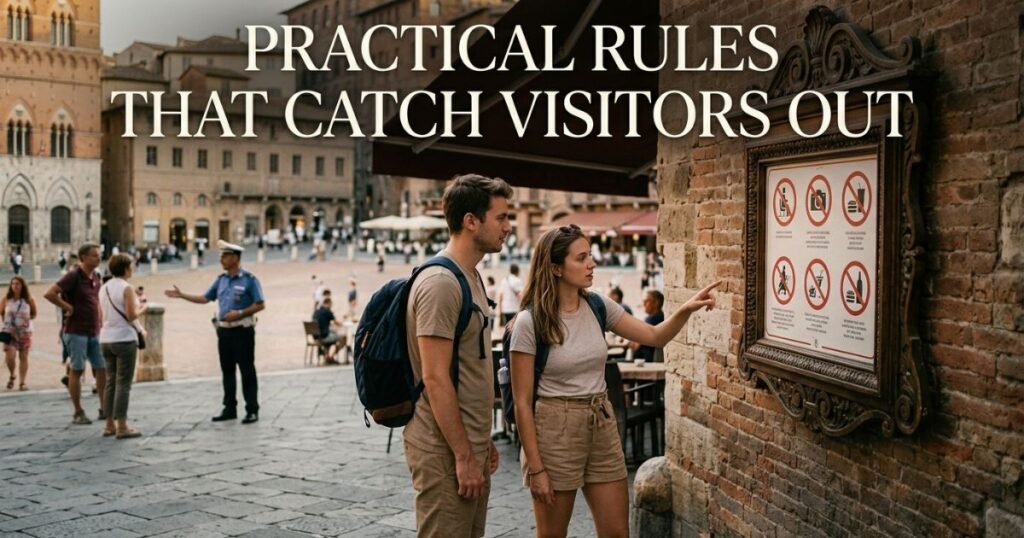
- Money: US dollars and Lebanese pounds are both accepted. Withdrawal limits and fees can apply, so carry enough cash.
- Power and signal: Fuel shortages and power cuts can disrupt water, mobile and internet service.
- Dress and behavior: Dress modestly at mosques and churches. Public affection can offend in conservative areas.
- Photography: Officials may detain you and take your camera if you photograph restricted sites. Ask before you photograph soldiers or checkpoints.
- Israel: Travel evidence linked to Israel can lead to refusal of entry or arrest.
- Healthcare: Treatment is not free, and hospitals often require payment upfront.
If Lebanon Is Not an Option Right Now
Travelers who want an easier Middle East trip can look at other regional guides. Our Dubai tour package comparison covers prices and inclusions. For history-rich cities with bazaars and old fortresses, the Uzbekistan travel guide is a lower-risk alternative. More planning help is in our travel tips section.
FAQ,s
Is Tripoli worth visiting?
Yes, if conditions allow and you are interested in history. Its citadel, Mamluk buildings and working souks have no equal on the Lebanese coast.
Is Batroun safe for tourists?
Batroun is not in a named no-go zone, but Lebanon is rated Level 4 nationwide. Risk can change quickly, so follow your government’s latest advice.
How far are Tripoli and Batroun from Beirut?
Batroun is about 50 km north of Beirut, and Tripoli is about 80 to 85 km. Both lie along the coastal highway.
Can I do Tripoli and Batroun in one day?
You can, but it is rushed. Batroun is better as a half day and Tripoli needs four to five hours, so a night in between is more comfortable.
What is Batroun famous for?
It is known for its Phoenician sea wall, old harbor, beach clubs and fresh lemonade.
Conclusion
Tripoli and Batroun show two sides of northern Lebanon. One is a dense medieval city of citadels, khans and sweet shops, and the other is a small seaside town built around an ancient wall and a working harbor. Both reward a slow visit.
The deciding factor is the current advice, not the sights. Level 4 warnings, airspace changes and limited insurance cover make this a trip to plan with great care, or to postpone. Read the Smartraveller advice again before you commit, and confirm everything time-sensitive with your airline, insurer and embassy.