


Thailand Rainy Season travel can be a great choice for travelers who enjoy green landscapes, fewer crowds, and flexible plans. Moreover, the wet months can bring a fresh and peaceful feel to many parts of the country. Rain does not always mean wet weather all day, as showers can often come in short periods. Therefore, travelers can still enjoy beaches, temples, markets, food tours, nature trips, and city attractions between showers. With the right planning, you can enjoy Thailand without letting changing weather affect your entire holiday.
Furthermore, Thailand’s wet season shows a different side of this beautiful country. Forests become greener, waterfalls can become more impressive, and mountain areas may look fresh after rainfall. Some destinations can also feel less crowded than during peak travel periods. However, rainfall and sea conditions can vary greatly between regions, so one weather forecast cannot represent the whole country. Therefore, the best Thailand Rainy Season travel plan should include flexible activities, suitable clothing, reliable weather updates, and backup plans for outdoor adventures. Whether you’re visiting Bangkok, Chiang Mai, Phuket, Krabi, Koh Samui, or another destination, these practical tips can help you travel with greater comfort and confidence.
What Is the Thailand Rainy Season?
The Thailand Rainy Season generally covers several months of the year, but timing and rainfall vary across the country. Thailand’s climate is influenced by seasonal monsoons, and the wet period can bring regular showers and periods of heavier rain. Therefore, travelers should check the forecast for each destination instead of treating the whole country as one weather zone.
Moreover, the rainy season can still be a rewarding time to travel. Green scenery, waterfalls, misty mountains, and fewer visitors can create a different holiday experience. In addition, some hotels and travel services may offer lower-season deals, although prices vary by destination and date. Tourism Thailand highlights several places that become especially attractive during the green season.
When Is Thailand’s Rainy Season?
Thailand’s rainy period often affects many destinations from around May into October, although regional patterns differ. For example, Thailand’s western Andaman coast can receive strong monsoon weather during part of this period.However, rainfall does not happen equally everywhere. Bangkok, northern Thailand, the Gulf islands, and the Andaman coast can have different conditions on the same day. Therefore, check local forecasts before planning island trips, hikes, or outdoor tours.
Is Thailand Worth Visiting During the Rainy Season?
Yes, Thailand can be worth visiting during the rainy season. You may find greener scenery, quieter attractions, and a more relaxed travel pace. Furthermore, rain can make waterfalls, forests, and mountain areas look especially beautiful.However, beach and island plans require more flexibility. Some boat routes may change because of wind and waves. The Thai Meteorological Department has issued rainy-season warnings involving heavy rain, strong winds, and rough seas in some areas.
15 Thailand Rainy Season Travel Tips
These Thailand Rainy Season travel tips can help you prepare for changing weather without making your trip stressful. Moreover, the best approach is to build flexibility into your schedule.
| Tip | What to Do |
| 1 | Check the local forecast |
| 2 | Pack quick-drying clothes |
| 3 | Carry a waterproof day bag |
| 4 | Use flexible bookings |
| 5 | Keep indoor activities ready |
| 6 | Allow extra travel time |
| 7 | Protect your electronics |
| 8 | Choose hotels carefully |
| 9 | Plan island trips wisely |
| 10 | Wear suitable footwear |
| 11 | Carry mosquito protection |
| 12 | Protect important documents |
| 13 | Watch official weather alerts |
| 14 | Keep emergency plans simple |
| 15 | Enjoy the green season |
1. Check the Weather Before Each Day
First, make checking the local forecast part of your morning routine. Thailand Rainy Season can vary greatly between cities and regions, so a forecast for Bangkok may not help with an island trip. Moreover, check weather conditions before booking a boat, hiking tour, or remote excursion. The Thai Meteorological Department publishes weather warnings and updates for Thailand. Therefore, official weather information should guide decisions during periods of heavy rain.
2. Pack Clothes That Dry Quickly
Light, quick-drying clothing is one of the most useful choices for the Thailand Rainy Season. Cotton can feel comfortable, but damp clothes may take longer to dry in humid weather. Therefore, pack several lightweight shirts and shorts or trousers. Also, bring a light waterproof jacket or poncho. You don’t need heavy rain gear for every trip, but a compact option can be very useful.
3. Carry a Waterproof Day Bag
A waterproof day bag can protect your phone, camera, passport, and other important items. Alternatively, use waterproof pouches inside a normal backpack.Furthermore, choose a bag that stays comfortable during warm weather. A heavy backpack can become uncomfortable when humidity is high. Therefore, keep your daily items simple and easy to carry.
4. Keep Your Travel Schedule Flexible
Flexibility is one of the most important Thailand Rainy Season travel tips. Heavy rain can affect outdoor plans, boat trips, and road journeys. Instead of planning every hour, leave open periods in your itinerary. For example, schedule a temple visit, museum, café, or shopping area as a backup. As a result, one rainy afternoon won’t ruin your whole day.
5. Plan Indoor Activities as Backups
Thailand Rainy Season days can be perfect for museums, temples, markets, cooking classes, cafés, spas, and cultural attractions. Therefore, add a few indoor options to every destination.For example, travelers in Bangkok can keep cultural and shopping activities available when outdoor plans become difficult. Meanwhile, travelers in northern cities can combine cafés and cultural sites with outdoor activities when conditions improve.
6. Allow Extra Time for Transport
Rain can slow traffic and make some journeys less predictable. Therefore, avoid planning tight connections during periods of heavy weather.If you have a flight, train, ferry, or important tour, allow extra time. Moreover, check transport updates before leaving your hotel. This simple habit can reduce stress when roads become busy or weather changes quickly.
7. Protect Your Electronics
Phones and cameras need extra protection during the Thailand Rainy Season. A small waterproof pouch can protect valuable electronics during sudden showers. In addition, keep charging cables and power banks inside a dry bag. If your phone becomes wet, avoid using it until it is safely dry. Therefore, basic water protection can prevent an expensive problem.
8. Choose Accommodation With Care
During wet weather, location matters more than usual. A hotel near restaurants, shops, public transport, or indoor attractions can make rainy days easier.Furthermore, check recent guest reviews for practical details. Look for comments about drainage, access, room comfort, and transport. Therefore, don’t choose a hotel only because it has a low price.
9. Plan Island Trips Around Conditions
Island travel can be wonderful, but monsoon weather can affect boat services. Strong winds and high waves may make some sea journeys uncomfortable or unsafe.For example, Thailand’s Meteorological Department has warned about strong waves in the Andaman Sea during monsoon periods. Therefore, don’t force a boat trip when authorities or operators advise against travel.
10. Wear Shoes With Good Grip
Wet streets, stairs, paths, and hotel entrances can become slippery. Therefore, comfortable shoes with good grip are useful during rainy weather.Water-resistant sandals can work for some city trips. However, closed shoes may be better for longer walks and uneven paths. In addition, pack an extra pair if your main shoes get soaked.
11. Carry Mosquito Protection
Mosquitoes can be more noticeable around wet and green areas. Therefore, travelers should consider carrying insect repellent, especially when visiting rural areas, forests, or islands.Tourism Thailand specifically recommends mosquito repellent for Koh Kood and notes the presence of malaria-infected mosquitoes there. Moreover, local conditions vary, so travelers should check current health guidance for their destinations.
12. Keep Documents Dry
Your passport and other travel documents should stay protected from rain. Therefore, keep them inside a waterproof pouch rather than loose inside your backpack.Also, save digital copies of important documents in a secure location. This can make replacement or verification easier if something goes wrong. As a result, a small preparation step can provide useful peace of mind.
13. Follow Official Weather Warnings
Official alerts are especially important during periods of heavy rain. The Thai Meteorological Department regularly publishes warnings about heavy rainfall, flooding risks, and strong sea conditions. Furthermore, don’t rely only on social media posts when weather becomes severe. Check official information before traveling into areas affected by flooding or dangerous sea conditions. Therefore, staying informed is one of the most important Thailand Rainy Season tips.
14. Keep Emergency Plans Simple
A good rainy-season trip doesn’t need a complicated emergency plan. Instead, know where your hotel is, how to contact your accommodation, and which nearby areas are safe and accessible.Moreover, keep your phone charged before long journeys. If heavy weather is expected, avoid remote activities until conditions improve. As a result, simple preparation can help you react calmly.
15. Enjoy the Green Season
Finally, don’t treat every rainy cloud as a problem. The Thailand Rainy Season can make forests greener, waterfalls stronger, and mountain views more dramatic. Tourism Thailand has highlighted rainy-season destinations where waterfalls, forests, and misty landscapes become major attractions. Therefore, travelers who enjoy nature may find the green season especially rewarding.
Best Places to Visit During the Thailand Rainy Season
Bangkok is a practical choice when Thailand Rainy Season is part of your itinerary. The city offers many indoor and covered activities, so you can adjust your plans quickly when showers arrive. Moreover, Bangkok works well as a base for travelers who want culture, food, shopping, and city experiences. Northern Thailand can also be appealing during the green season. Chiang Mai and nearby mountain areas may offer lush landscapes and cooler-feeling conditions after rain. However, outdoor conditions can change quickly, so hiking plans should remain flexible.
Bangkok
Bangkok is useful for rainy-season travel because you can mix outdoor and indoor activities. Therefore, you can visit temples during clearer periods and move indoors when rain becomes heavier.Furthermore, keep cafés, museums, shopping areas, and cultural attractions on your backup list. This approach makes your trip less dependent on perfect weather.
Chiang Mai
Chiang Mai can be a good choice for travelers who enjoy culture and nature. The surrounding mountains and forests can look especially green during wet periods.However, outdoor excursions should be checked close to departure. Heavy rain can affect roads, trails, and waterfalls. Therefore, choose reputable tour providers and follow local advice.
Khao Sok
Khao Sok is known for forests, mountains, and dramatic natural scenery. Tourism Thailand lists Ratchaprapha Dam in Khao Sok among destinations that can become particularly attractive during the rainy season. Moreover, the wet season can create rich green landscapes. However, outdoor activities should depend on current conditions. Therefore, check local weather before traveling into remote areas.
Phuket and the Andaman Coast
Phuket can still be visited during the wet season, but travelers should understand the weather risks. The Andaman coast can experience stronger monsoon conditions, including rough seas.Therefore, beach days should remain flexible. If conditions are poor, choose land-based activities instead of forcing a boat trip. The Thai Meteorological Department has reported strong waves during monsoon events.
Koh Kood and the Eastern Islands
Koh Kood offers beaches, forests, waterfalls, and a quieter island atmosphere. Tourism Thailand notes that monsoon rains can be moderate during the rainy season, while boat service may be limited during the low season. Therefore, travelers should check boat schedules before making plans. Also, don’t assume that every island has the same rainy-season conditions. Regional weather differences can be important.
What to Pack for the Thailand Rainy Season
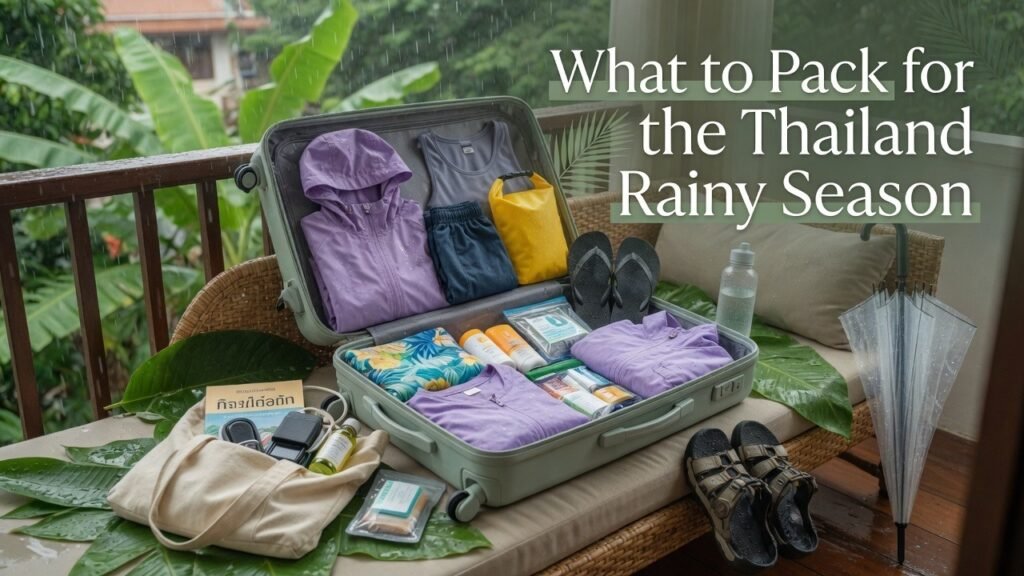
Packing for the Thailand Rainy Season is easier when you focus on lightweight and useful items. Heavy luggage can become difficult to manage when sidewalks, streets, and transport areas are wet. Therefore, choose clothes that dry quickly and don’t take much space. In addition, protect electronics and documents from water. The following table gives a simple starting point.
| Item | Why It Helps |
| Compact rain jacket | Helps during sudden showers |
| Small umbrella | Useful for city walks |
| Quick-dry clothes | Dry faster in humid weather |
| Waterproof pouch | Protects phones and documents |
| Comfortable shoes | Better for wet streets |
| Extra socks | Useful after heavy rain |
| Mosquito repellent | Helps in wet outdoor areas |
| Dry bag | Protects electronics |
| Small towel | Useful after unexpected showers |
| Reusable water bottle | Helpful during warm days |
Furthermore, don’t overpack. You can usually wash clothes during longer trips, so several lightweight outfits may be enough. Therefore, leave room for practical items rather than bringing heavy clothing.
What to Wear in Thailand During the Rainy Season
Light clothing works well for Thailand’s warm and humid conditions. However, travelers should also bring something that covers their shoulders and knees when visiting religious sites.Moreover, a light rain jacket can be useful without adding much weight. Choose breathable fabrics whenever possible. In addition, carry a spare shirt in your day bag if you plan to spend many hours outside.
Shoes for Rainy Weather
Choose shoes that are comfortable and provide good grip. Furthermore, avoid footwear that becomes very slippery when wet.Sandals can be useful for some casual trips. However, closed shoes may provide better support for longer walks. Therefore, your choice should depend on your daily activities.
Transportation Tips During the Thailand Rainy Season
Public transport can still be useful during rainy weather, especially in large cities. However, road traffic may become slower during heavy showers.Therefore, allow extra time when traveling across busy urban areas. If you have an airport departure or train connection, leave earlier than you would during dry weather. Moreover, check transport updates before leaving your hotel.Boat travel requires more attention. Weather conditions can change quickly, and rough seas can affect island routes. Official warnings have noted that small boats may need to remain ashore during dangerous sea conditions.Therefore, never treat a cancelled boat service as a minor inconvenience. Safety should come before a sightseeing plan. If the sea is rough, move your island activity to another day.
Budget Tips for the Thailand Rainy Season
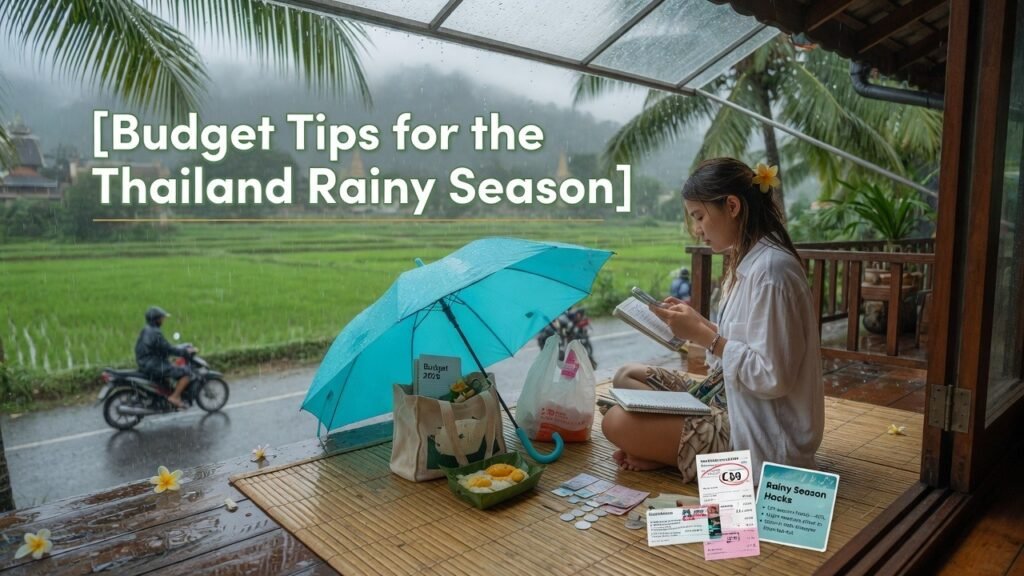
Rainy-season travel may offer opportunities to save money, especially during lower-demand periods. Tourism Thailand notes that rainy-season travel can be associated with lower accommodation prices in some destinations.However, prices still depend on location, hotel quality, holidays, events, and booking dates. Therefore, compare several properties before choosing your accommodation. Also, check cancellation conditions before paying for non-refundable stays.
How to Save Money
First, compare hotels with flexible cancellation policies. Next, check whether breakfast and other services are included. Moreover, consider staying near public transport so you can reduce unnecessary travel costs.Furthermore, keep some rainy-day activities free or low-cost. Walking through local areas during clear periods, visiting public markets, and enjoying local food can add value without a large budget.
Family Travel During the Thailand Rainy Season
Families can enjoy Thailand during wet weather, but parents should build flexible schedules. Young children may become tired when moving between wet streets and crowded transport areas. Therefore, choose accommodation with easy access to food and transport. Also, keep indoor activities available each day. This makes it easier to change plans when Thailand Rainy Season becomes heavy. Moreover, bring extra clothes for children. Wet shoes and clothing can become uncomfortable quickly. A small waterproof bag can keep spare clothes dry until they are needed.
Accessibility During the Rainy Season
Travelers with mobility needs should pay extra attention to wet surfaces and transport access. Thailand Rainy Season can make sidewalks, steps, and uneven paths harder to use. Therefore, contact hotels and tour operators before booking if you need specific accessibility features. Ask about entrances, lifts, bathrooms, transport, and walking surfaces. Furthermore, choose activities that offer easy indoor alternatives. This can make your itinerary more comfortable when heavy rain affects outdoor plans.
Safety Tips for the Thailand Rainy Season
Safety should always come before sightseeing. Heavy rain can sometimes cause flooding, overflowing waterways, slippery surfaces, and dangerous sea conditions. Thai weather authorities have warned about these risks during strong monsoon events. Therefore, avoid walking or driving through flooded areas when conditions are unsafe. Also, stay away from rough water and exposed coastal areas during severe weather. If local authorities or transport operators issue warnings, follow their advice.
Stay Safe Around Water
Never assume shallow-looking floodwater is safe. Water can hide holes, debris, or strong currents. Therefore, avoid entering flooded roads or streams.Likewise, be careful around waterfalls during heavy rain. Water levels can rise quickly in some areas. Therefore, follow signs, park rules, and local instructions.
Stay Safe at Sea
Boat travel deserves extra care during the Thailand Rainy Season. Strong winds can create rough seas, especially along exposed coasts. Therefore, check conditions before every boat journey. If a service is cancelled because of weather, don’t search for an unsafe alternative. Your itinerary can change, but safety should remain the priority.
Booking Advice for Rainy-Season Travel
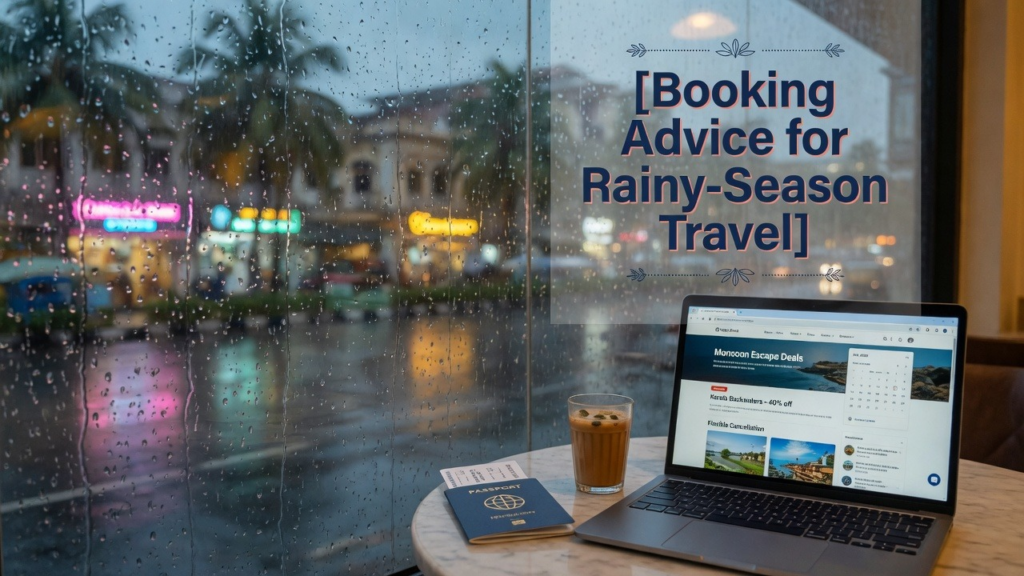
Flexible reservations can make the Thailand Rainy Season much easier. Therefore, look for hotels and activities that offer reasonable cancellation or date-change terms. Moreover, avoid booking every activity months in advance unless necessary. Weather can change your plans, especially for island trips and outdoor adventures. Keep your most important bookings flexible whenever possible. For popular destinations, however, don’t assume the rainy season means everything will be empty. Some places remain popular throughout the year. Therefore, compare dates and availability before finalizing your itinerary.
A Simple 7-Day Rainy-Season Itinerary
A flexible seven-day plan can work well for first-time visitors. The key is to combine indoor activities with outdoor plans rather than depending on clear skies every day.
| Day | Suggested Plan |
| Day 1 | Arrive and explore your local area |
| Day 2 | Cultural sights and indoor attractions |
| Day 3 | Outdoor activity if weather is good |
| Day 4 | Flexible city or café day |
| Day 5 | Nature trip if conditions allow |
| Day 6 | Shopping, food, or cultural activities |
| Day 7 | Relax and prepare for departure |
First, keep the arrival day simple. Next, place weather-sensitive activities on days when the forecast looks better. Moreover, keep at least one flexible day in the schedule.
This plan can work in different cities with small changes. Therefore, use it as a framework rather than a strict timetable. The best Thailand Rainy Season itinerary is one that can change when the weather changes.
Frequently Asked Questions
1. Is Thailand good to visit during the rainy season?
Yes, Thailand can be enjoyable during the Thailand Rainy Season. You may see greener landscapes and fewer crowds in some places. Moreover, many cities have plenty of indoor activities. However, island and outdoor plans need more flexibility. Therefore, check local weather before booking sensitive activities.
2. What months are the rainy season in Thailand?
Thailand’s wet season commonly affects several months from around May through October. However, rainfall patterns vary by region and year.Therefore, travelers should check the forecast for their exact destination. The official Thailand climate information also notes regional weather variation.
3. Does it rain all day in Thailand during the rainy season?
No, rain does not necessarily continue all day. Some days may have short showers, while others can bring longer or heavier rain.Therefore, don’t assume that a rainy-season forecast means you cannot travel. Instead, build flexible plans around local conditions.
4. What should I pack for the rainy season in Thailand?
Pack quick-drying clothes, a compact rain jacket, comfortable shoes, and waterproof bags. Also, protect your phone, passport, and other important items.Furthermore, mosquito repellent can be useful in some outdoor areas. Therefore, keep your day bag light but practical.
5. Can I visit Thai islands during the rainy season?
Yes, but island conditions vary by coast and date. Strong monsoon winds can affect boat services and sea conditions.Therefore, check local weather and transport updates before traveling. Never take a boat when operators or authorities consider conditions unsafe.
6. Is Thailand’s rainy season cheaper for travelers?
It can be cheaper in some destinations because rainy months may be lower-demand periods. However, prices vary by hotel, destination, dates, and local events.Therefore, compare several booking options instead of assuming every hotel will be cheaper. Flexible cancellation can also provide useful value.
7. What is the best rainy-season travel tip for Thailand?
The best Thailand Rainy Season tip is to stay flexible. Check weather updates, protect your belongings, and keep indoor backup activities ready.Moreover, don’t let rain stop you from enjoying the country. With the right planning, wet-season travel can still be comfortable and memorable.
Conclusion
Traveling during the Thailand Rainy Season can be a rewarding experience for prepared visitors. The country can look greener, quieter, and more refreshing during wet months. Moreover, travelers can enjoy cities, culture, food, forests, waterfalls, and local experiences between rain showers. Therefore, the key is not to avoid rain completely. Instead, build an itinerary that can change when weather conditions change. Pack light rain gear, waterproof your important items, choose flexible bookings, and check local forecasts each day. In addition, allow extra time for road travel and be careful with island boat trips.
Furthermore, remember that Thailand has different weather patterns across its regions. A Thailand Rainy Season day in one destination does not always mean the same conditions elsewhere. Therefore, choose your destinations based on current forecasts and your preferred activities. Keep indoor attractions ready when outdoor plans become difficult, and follow official weather warnings during severe conditions. The Thai Meteorological Department regularly provides updates about heavy rain, strong winds, and rough seas.Overall, the best approach is simple: prepare for rain, stay flexible, and enjoy Thailand’s green season at your own pace.