



It Cost to Around the World Travel is one of the first things travelers want to know before they plan a global trip. Every journey has a different price, because your budget depends on where you go, how long you stay, and the choices you make each day. A realistic budget, set before you book anything, helps you avoid money stress and enjoy the trip with confidence. For a broader look at what drives these numbers, see our around the world travel price guide.
Around the world travel is more possible today than ever before. Budget airlines, online booking platforms, and flexible routes have made long international trips easier for many people. Airline alliance tools, such as the one world round-the-world planner, also let you test a route and see how it changes your flight costs. Visas and entry rules can change your budget too, so check each country early, as our guide to Spain travel requirements for 2026 shows. Careful planning helps you spend wisely without missing the experiences that matter most. This guide explains the major travel expenses, money-saving strategies, and planning tips you need for a successful trip in 2026.
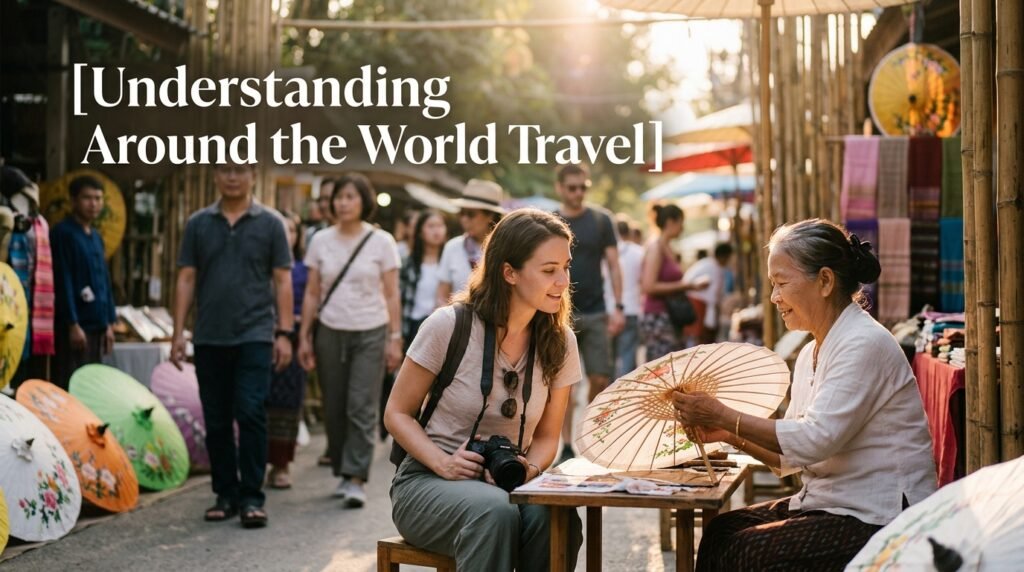
Understanding Around the World Travel
Featured Snippet
Most one-person, year-long trips around the world cost about $20,000 to $50,000 in 2026. Very low-budget travelers can spend less, and luxury travelers can spend far more. Your total depends on destinations, travel style, transport, accommodation, food, activities, and trip length. Careful planning can cut your costs significantly.
Many people think a trip around the world is only for the wealthy, but that is no longer true. Smart budgeting, flexible dates, and affordable destinations make long-term travel realistic for many budgets. Understanding your main expenses is the first step. Our guide to the best places to visit in the Caribbean shows how one region fits different budgets.
What Affects Around the World Travel Cost?
Every traveler spends money differently. Knowing what changes your budget helps you build a realistic financial plan before you book anything.
Trip Length
The longer your trip, the higher your total spending usually becomes. Slow travel, however, often lowers your daily costs. You spend less on transport, and many hosts offer discounts for longer stays.
Staying in one city for two weeks is usually cheaper than changing destinations every few days. Weekly and monthly accommodation rates often give better value too. Our Seville travel guide shows how to decide how long one city deserves.
Destination Choice
Your list of destinations has a major effect on your budget. Countries like Switzerland, Iceland, and Norway generally have higher daily costs, as our Switzerland travel guide explains. Southeast Asia and parts of Eastern Europe often offer much better value.
A balanced itinerary mixes both. Many experienced travelers pair expensive countries with lower-cost regions to keep their overall spending under control. For a lower-cost stop, see when to go in our best time to visit Cambodia guide.
Travel Style
Your personal travel style also changes your total budget. Budget travelers stay in hostels, use public transport, and eat local food. Luxury travelers choose premium hotels, private transfers, and fine dining.
Most travelers land somewhere in between. Mixing budget-friendly choices with an occasional splurge gives you comfort without a huge bill. For an example of how a resort-style trip adds up, read our 5-day Maldives tour package guide.
Average Daily Travel Budget
The following table provides general daily spending estimates.
| Expense | Budget Range |
| Accommodation | $35–$180 |
| Food | $20–$70 |
| Local Transportation | $10–$40 |
| Attractions | $15–$80 |
| Miscellaneous | $10–$30 |
These figures are only general estimates. Therefore, actual prices may vary depending on the destination, season, and travel style.
Flight Costs
Flights usually represent the largest part of Around the World Travel . Therefore, booking early often leads to significant savings.
International airfare changes throughout the year. Moreover, flexible departure dates frequently provide lower prices than fixed travel schedules. Comparing several airlines before booking is always a smart decision.
Some travelers purchase Round-the-World tickets that include multiple destinations under one booking. However, separate one-way tickets sometimes provide better flexibility and lower prices depending on your route.
Accommodation Expenses
Accommodation is another major travel expense. Fortunately, travelers have more choices than ever before.
Hostels remain one of the most affordable options for solo travelers. Budget hotels provide privacy at reasonable prices, while vacation rentals work well for families and longer stays.
Many experienced travelers combine different accommodation types throughout their trip. Therefore, they enjoy greater comfort while keeping Around the World Travel under control.
Booking several months in advance often provides lower prices. However, last-minute deals may also appear during quieter travel seasons.
Food Costs Around the World Travel
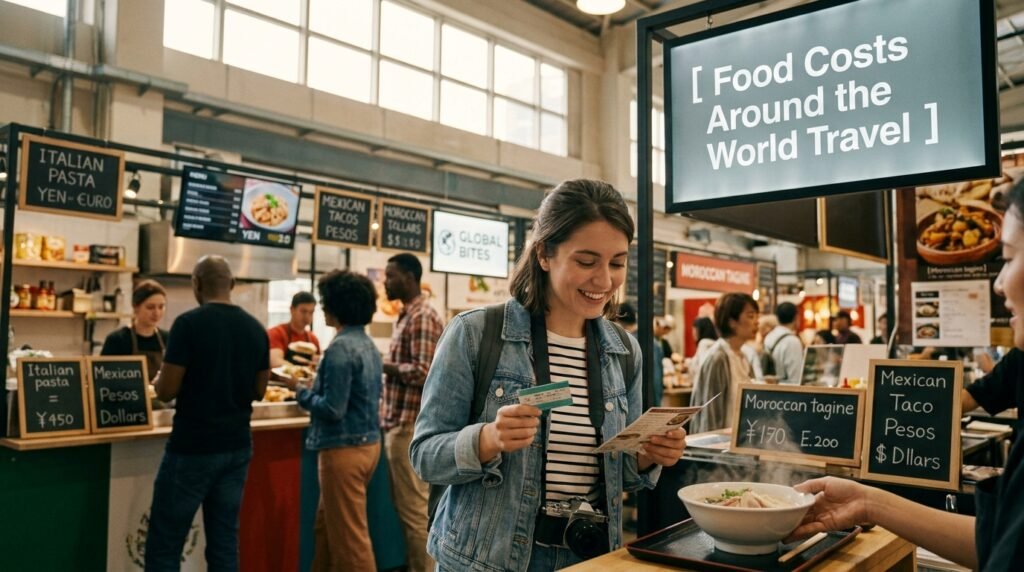
Food expenses vary between countries. However, eating where local residents eat is usually both affordable and enjoyable.
Street food, neighborhood cafés, and family-owned restaurants often serve fresh meals at lower prices than tourist restaurants. Moreover, grocery shopping for breakfast and snacks helps reduce daily spending.
Many long-term travelers mix restaurant meals with simple self-prepared food. Therefore, they enjoy local flavors while staying within their planned budget.
Transportation Within Each Destination
Getting around each city also affects your travel budget. Fortunately, public transportation is affordable in many destinations.
Buses, trains, subways, and trams usually cost much less than taxis. Therefore, purchasing daily or weekly transport passes often saves money during longer stays.
Walking is another excellent option. Besides saving money, it allows you to experience local neighborhoods, parks, markets, and cultural landmarks at a relaxed pace.
Travel Insurance
Travel insurance is an important part of every international trip. Although many people overlook it, insurance protects you from unexpected expenses.
A good policy generally covers emergency medical treatment, trip delays, lost baggage, and cancellations. However, every policy is different. Therefore, compare coverage carefully before purchasing.
Travel insurance may seem like an extra expense today. However, it can save thousands of dollars if an emergency happens during your journey.
Visa Costs
Visa fees are another expense you should include in your travel budget. Some countries allow visa-free entry for certain passports. However, other destinations require a tourist visa or an electronic travel authorization before arrival.
Visa prices vary from country to country. Therefore, always check official government websites before booking flights. Moreover, applying early helps you avoid last-minute stress or delays. Good planning keeps your Around the World Travel under control.
Activities and Sightseeing
Every traveler wants memorable experiences. However, attractions can quickly increase your total budget if you do not plan carefully.
Museums, national parks, guided tours, and famous landmarks usually charge entrance fees. Meanwhile, many cities also offer free walking tours, beaches, hiking trails, local markets, and public parks. Therefore, mixing free and paid attractions creates a balanced travel experience.
Research your destination before arrival. As a result, you can prioritize the experiences that matter most without overspending.
Emergency Fund
Every international traveler should prepare for unexpected situations. Flights may be canceled, luggage may arrive late, or medical emergencies may happen at any time.
Travel experts generally recommend keeping an emergency fund separate from your daily spending money. Therefore, you can handle unexpected costs without changing your travel plans.
A good emergency fund also gives you peace of mind. Consequently, you can enjoy your trip without worrying about every small expense.
Sample Monthly Budget
The table below shows a simple example for a mid-range traveler.
| Expense Category | Estimated Monthly Cost |
| Accommodation | $1,800 |
| Food | $900 |
| Transportation | $600 |
| Activities | $700 |
| Insurance & Other Costs | $400 |
| Estimated Total | $4,400 |
These figures are only estimates. Therefore, your actual spending may be higher or lower depending on your destination and travel style.
Smart Ways to Reduce Around the World Travel
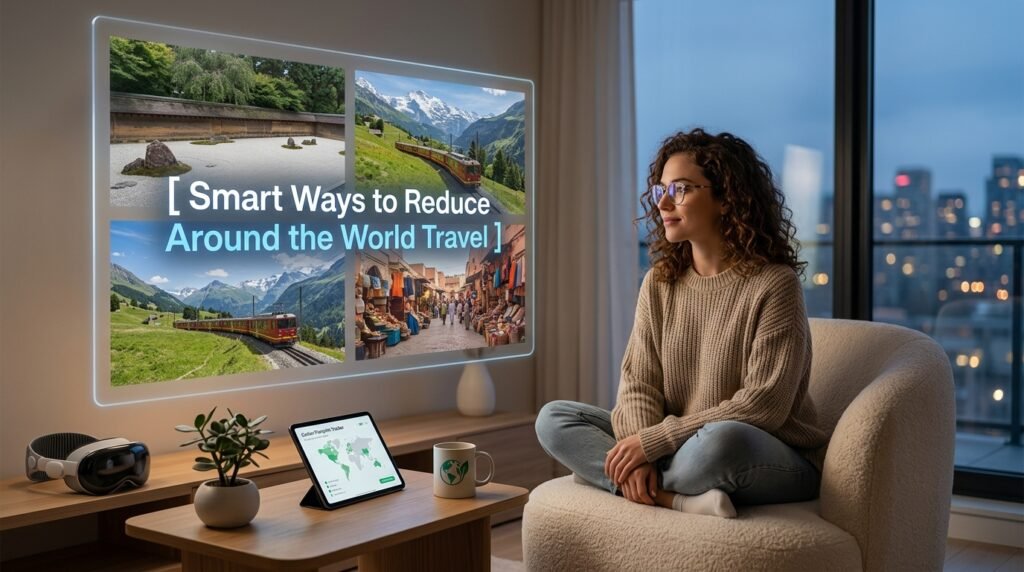
Saving money does not mean giving up great experiences. Instead, it means making smarter travel decisions.
Book Flights Early
Airfares usually increase as departure dates get closer. Therefore, booking several months in advance often provides the best prices.
Travel During the Shoulder Season
The shoulder season falls between the busiest and quietest travel periods. During this time, flights and hotels are often cheaper. Moreover, popular attractions are usually less crowded.
Stay Longer in One Place
Changing cities every few days increases transportation costs. However, staying longer often reduces accommodation prices and gives you more time to enjoy each destination.
Use Public Transportation
Public buses, trains, and metro systems are usually much cheaper than taxis. Therefore, they remain one of the easiest ways to reduce Around the World Travel throughout your journey.
Eat Local Food
Neighborhood cafés and local restaurants usually offer better prices than restaurants near major tourist attractions. Furthermore, local meals often provide a more authentic travel experience.
Is a Round-the-World Ticket Worth It?
Many travelers ask whether they should buy a Round-the-World airline ticket.
The answer depends on your itinerary. If you plan to visit several continents on one journey, a Round-the-World ticket may simplify your travel planning. However, booking separate one-way flights sometimes offers lower prices and greater flexibility.
Compare both options carefully before making your final decision. Therefore, choose the option that best matches your travel goals instead of selecting one based only on price.
Planning Your Budget Before You Leave
Creating a detailed budget before departure makes every trip easier. First, estimate your transportation costs. Next, calculate accommodation, food, insurance, sightseeing, and daily expenses. Finally, add an emergency fund for unexpected situations.
A written budget helps you track spending throughout your journey. Moreover, reviewing your expenses every week allows you to adjust your plans before your budget gets out of control.
With careful preparation and smart decisions, Around the World Travel becomes much easier to manage. Instead of worrying about money, you can focus on enjoying new cultures, meeting new people, and creating unforgettable memories.
Best Destinations for Every Budget
Choosing the right destinations has the biggest impact on your Around the World Travel . Some countries offer excellent value, while others require a much larger daily budget. Therefore, balancing both affordable and expensive destinations helps you travel longer without overspending.
Budget-Friendly Countries
Many travelers begin their journey in countries where daily expenses are lower. Vietnam, Thailand, Indonesia, Malaysia, and parts of Eastern Europe generally provide affordable accommodation, transportation, and food. Moreover, these destinations offer rich culture, beautiful scenery, and unforgettable experiences.
Budget-friendly countries also allow travelers to stay longer without increasing their total spending too quickly. As a result, many long-term travelers include several low-cost destinations in their itinerary.
Mid-Range Destinations
Countries such as Portugal, Spain, Greece, Japan, and South Korea usually fit a mid-range travel budget. Although prices are higher than in Southeast Asia, careful planning still keeps expenses under control.
Traveling during the shoulder season often reduces accommodation and flight prices. Therefore, flexible travel dates can make these destinations much more affordable.
Premium Destinations
Countries including Switzerland, Iceland, Norway, Australia, and New Zealand generally require a larger budget. Hotels, transportation, and dining often cost significantly more than in other regions.
However, visiting these destinations for shorter periods while spending more time in affordable countries creates a balanced worldwide itinerary. Therefore, travelers enjoy premium experiences without dramatically increasing their overall Around the World Travel .
Solo, Couple, and Family Travel Costs
Travel costs also change depending on who travels with you.
Solo Travelers
Solo travelers enjoy complete flexibility. However, they usually pay the full price for hotel rooms and transportation. Hostels, guesthouses, and shared accommodation often provide the best value.
Couples
Couples often spend less per person because accommodation costs are shared. Moreover, many hotels offer rooms that comfortably accommodate two people without doubling the price.
Families
Family travel requires a larger overall budget. Flights, larger hotel rooms, attraction tickets, and meals naturally increase total expenses. However, vacation rentals with kitchens often reduce food costs during longer stays.
Best Time to Travel
Choosing the right season helps reduce travel expenses.
Peak travel seasons usually bring higher prices for flights and hotels. Meanwhile, shoulder seasons often provide lower prices, pleasant weather, and fewer crowds.
Traveling during quieter months also makes popular attractions more enjoyable. Therefore, flexibility with travel dates is one of the easiest ways to reduce Around the World Travel .
Money Management Tips
Managing your money wisely is just as important as creating a travel budget.
Carry more than one payment method whenever possible. In addition, keep a small amount of local currency for places that do not accept cards.
Use secure banking apps to monitor your spending regularly. Moreover, checking your budget every week helps you avoid overspending before it becomes a problem.
Avoid exchanging money at airports unless necessary. Exchange rates there are often less favorable than those offered by banks or trusted exchange services.
Packing Smart Saves Money
Packing wisely can reduce travel expenses throughout your journey.
A lightweight suitcase helps you avoid airline baggage fees. Furthermore, carrying versatile clothing means you need fewer items overall.
Reusable water bottles, portable chargers, and basic travel accessories also prevent unnecessary purchases during your trip.
Buying quality travel gear before departure often saves money over several months of international travel.
Booking Tips
Planning ahead usually leads to better travel deals.
Compare flight prices across different booking platforms before making a purchase. In addition, compare hotels, apartments, and guesthouses to find the best balance between price and comfort.
Read verified guest reviews before booking accommodation. Therefore, you avoid expensive mistakes and enjoy a better travel experience.
If your schedule is flexible, book refundable reservations whenever possible. This provides greater freedom if your travel plans change.
Frequently Asked Questions
Is $20,000 enough to travel around the world?
Yes, for a careful budget traveler. A common baseline for one year of world travel starts around $20,000, which works out to roughly $55 a day. That budget stretches far in Southeast Asia or South America. It disappears fast in places like Western Europe, Japan, or Australia, where daily costs can reach about $100. Your route matters more than the total.
How long should a round-the-world trip last?
Most travelers plan six to twelve months, which gives enough time to cross several continents without rushing. Shorter trips of two to three months work well if you visit fewer regions. Longer trips usually cost less per day, because you take fewer flights and can rent by the month.
What is the biggest travel expense?
It depends on trip length. On shorter trips, flights take the biggest share. On long trips, daily spending on lodging, food, and activities adds up more. One survey of round-the-world travelers found that expenses while traveling made up about two-thirds of the budget, and plane tickets about one-fifth.
Can I travel around the world on a budget?
Yes. Pick lower-cost regions for most of your route, stay longer in each place, and use buses, trains, and local transport. Cooking some meals and booking monthly rentals also helps. Some experienced travelers report very low budgets, with about $12,000 a year described as a minimum for one person in the cheapest countries. Treat that as a floor, not a target.
Should I buy travel insurance?
Yes. A long trip raises your chances of illness, delays, and lost bags. Check that the policy covers medical care, emergency evacuation, trip interruption, and the activities you plan to do. Prices vary widely by age, trip length, and cover. One traveler guide puts yearly policies at roughly €300 to €2,000.
When should I book international flights?
Book the long, expensive flights a few months ahead, especially for busy seasons. Many travelers book only the first flights and a few nights of lodging, then stay flexible. If you buy a round-the-world ticket, check its rules on direction, stops, and changes first.
What is the best way to save money while traveling?
Travel in the shoulder season, when prices drop and crowds thin. Walk and use public transport, eat where locals eat, and compare prices before you book. Track your spending weekly, so a costly week does not turn into a costly month.
Conclusion
Planning around the world travel feels big at first, but a clear budget breaks it into small decisions. Start with a daily budget for each region, then multiply it by the days you plan to spend there. Add flights, insurance, and set-up costs such as visas, vaccines, and gear. Then add a cushion, since a buffer of roughly 10 to 15 percent is a sensible starting point.
Every traveler has different goals, so there is no single price. A year can cost around $20,000 on a tight plan or far more at a comfortable pace. Choose a route that matches your money, book the big items early, and keep the rest flexible. With that plan, your trip around the world in 2026 is realistic, not just a dream.