


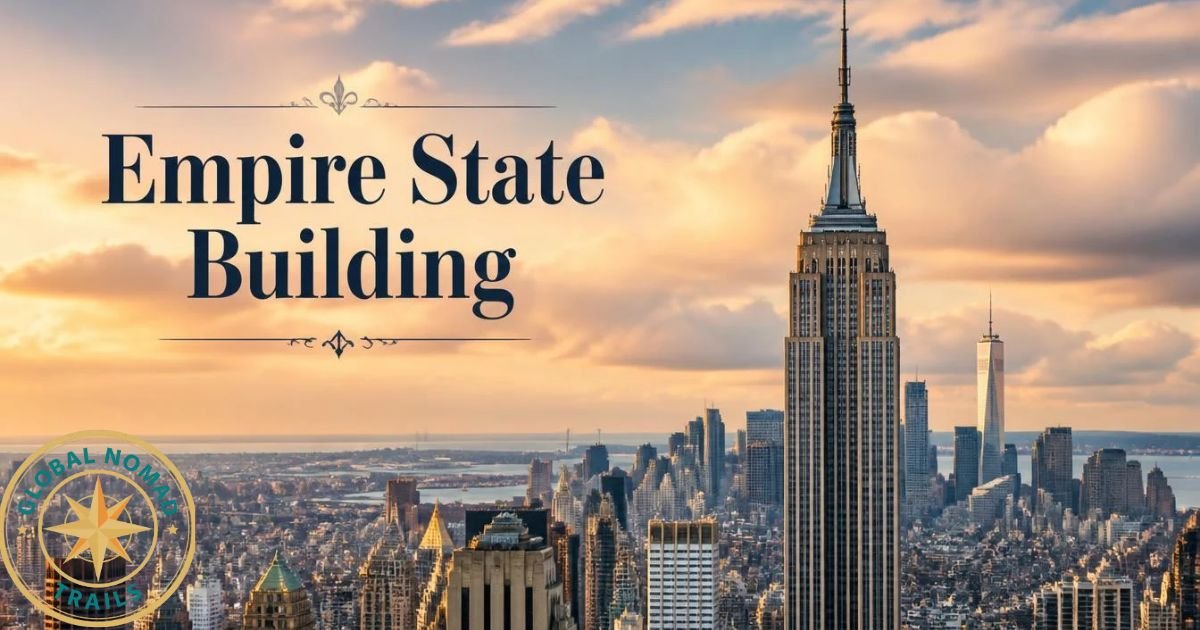
The Empire State Building is one of New York City’s most recognizable landmarks, rising above Midtown Manhattan with its distinctive Art Deco design and unforgettable skyline views. Completed in 1931, this 102-story skyscraper became a symbol of American ambition and engineering during the Great Depression. Today, visitors come to admire its architecture, explore its history, enjoy panoramic views from its observation decks, and experience the food and culture of the surrounding neighborhood.
Whether you are planning your first trip to New York City or simply curious about this architectural icon, the Empire State Building offers much more than an impressive height. Its story includes a remarkable construction timeline, a race to build the world’s tallest skyscraper, famous movie appearances, and a central location surrounded by restaurants, shopping streets, and popular attractions.
This guide explores the building’s history, height, interesting facts, observation decks, nearby food options, and practical visitor tips to help you make the most of your New York experience.
The Story Behind the Empire State Building
Built During the Great Depression
The story of the Empire State Building began during a period of major economic and social change in the United States. Construction started on March 17, 1930, after the original Waldorf Astoria Hotel site on Fifth Avenue was cleared for the ambitious project.
The building was completed on May 1, 1931, in just one year and 45 days. Architects Shreve, Lamb & Harmon Associates designed the skyscraper, while Starrett Brothers and Eken led the construction work. The project advanced at an extraordinary pace, with workers completing approximately four and a half floors per week during much of construction.
This speed made the building an engineering achievement of its era. At a time when the Great Depression was affecting businesses and workers across the country, the project also provided employment and demonstrated the scale of what American industry could accomplish.
However, the building’s early commercial success was less impressive than its construction. Office space was difficult to fill during the economic downturn, and the skyscraper earned the nickname “Empty State Building.” Over time, growing occupancy, tourism, and international recognition helped establish it as a lasting New York landmark.
The Race to Build the World’s Tallest Skyscraper
During the late 1920s, prominent developers competed to build the tallest skyscraper in New York City. The Chrysler Building and 40 Wall Street were among the major contenders in this architectural race.
The Empire State Building ultimately surpassed its rivals. When it opened in 1931, it became the world’s tallest building, reaching 1,250 feet to the roof and 1,454 feet to the top of its antenna.
It retained the world’s tallest-building title for nearly four decades, until the World Trade Center’s North Tower surpassed it in 1970. Although it no longer holds that global record, the Empire State Building remains one of the world’s most celebrated skyscrapers.
An Enduring Symbol of New York
The Empire State Building represents more than height and steel. Its completion during a difficult economic period gave it a lasting association with determination, innovation, and optimism.
Its distinctive silhouette has become part of New York City’s visual identity. It appears in photographs, travel campaigns, films, television shows, and countless depictions of Manhattan. For many visitors, seeing the building in person is an essential part of experiencing New York.
Its history and architecture are also explored through exhibits inside the building, allowing visitors to learn about the workers, designers, and ideas that brought this landmark to life.
For additional historical details, visit the official Empire State Building history page.
How Tall Is the Empire State Building?
The Empire State Building stands 1,454 feet (443 meters) tall, including its antenna. Measured to the roof of its 102nd floor, it reaches 1,250 feet (381 meters).
The skyscraper contains 102 main stories, with observation decks on the 86th and 102nd floors. The 86th-floor deck is approximately 1,050 feet above street level, while the 102nd-floor deck is approximately 1,250 feet high.
These different measurements explain why sources sometimes report different heights. The roof height, the highest publicly accessible observation level, and the total height including the antenna refer to different parts of the same structure.
The building’s steel framework, stepped upper floors, and Art Deco exterior helped make its extraordinary height possible. Its design remains a striking example of the engineering and architectural ambitions of early twentieth-century New York.
What Makes the Empire State Building Famous?
Its Iconic Art Deco Architecture
One of the building’s most recognizable features is its Art Deco design. The exterior combines a strong vertical appearance with progressively smaller upper sections, creating the stepped silhouette associated with classic New York skyscrapers.
The lobby is another highlight. Its decorative details and polished surfaces reflect the elegance of the period in which the building was designed. Visitors interested in architecture should take time to appreciate the interior rather than heading directly to the elevators.
Its Famous Observation Decks
The Empire State Building offers two observation experiences, each with a different atmosphere.
86th-Floor Observation Deck: This open-air deck offers 360-degree views of New York City. On clear days, visitors can look toward Central Park, the Hudson River, the Brooklyn Bridge, and other landmarks across the metropolitan skyline.
102nd-Floor Observation Deck: Located higher above Manhattan, this enclosed deck features floor-to-ceiling windows. It is an excellent option for visitors who prefer an indoor viewing environment, particularly during cold or windy weather.
The 86th floor is included with standard observation-deck admission, while access to the 102nd floor depends on the ticket selected. Check the official Empire State Building visitor page before booking.
Its Hollywood Connections
The Empire State Building has played a memorable role in popular culture. One of its earliest and most famous film appearances was in the 1933 version of King Kong, in which the skyscraper became the setting for the movie’s dramatic climax.
It later became associated with romantic films, including An Affair to Remember (1957) and Sleepless in Seattle (1993). These stories helped establish the building as a symbol of romance and cinematic New York.
For movie enthusiasts, visiting the observation decks offers a chance to connect the real landmark with scenes that have shaped its place in popular culture.
Its Famous Tower Lights
The building’s illuminated upper tower changes colors to mark holidays, celebrations, cultural events, and causes. These displays make it a prominent feature of the New York skyline after dark.
If you hope to see a particular color scheme, check the building’s lighting information before your visit. Lighting schedules can change, so checking in advance is more reliable than assuming the building will display a particular color on a given night.
Five Interesting Facts About the Empire State Building

The Empire State Building’s history includes several details that make it more fascinating than its appearance alone suggests.
1. It Was Completed in Just One Year and 45 Days
Construction began in March 1930 and ended on May 1, 1931. Completing a 102-story skyscraper in such a short period was an extraordinary achievement for its time.
2. It Was Once the World’s Tallest Building
The Empire State Building held the world’s tallest-building title for nearly 40 years. Its record reflected the intense skyscraper competition that transformed Manhattan’s skyline during the early twentieth century.
3. It Has Appeared in Iconic Movies
From King Kong to Sleepless in Seattle, the building has appeared in films spanning several generations. Its distinctive shape makes it instantly recognizable to audiences around the world.
4. It Has Two Public Observation Decks
Visitors can experience the open-air 86th-floor deck and the enclosed 102nd-floor deck. The two levels provide different perspectives of Manhattan, with the higher deck offering an elevated indoor viewing experience.
5. Its Antenna Contributes to Its Total Height
The building’s roof reaches approximately 1,250 feet, but its total height is 1,454 feet when the antenna is included. This distinction is important when comparing skyscraper heights.
For more historical context and verified facts, visit the official Empire State Building history page.
Exploring the Empire State Building Observation Decks
Visiting an observation deck is one of the best ways to appreciate the building’s scale and its place in Manhattan.
What Can You See From the 86th Floor?
The 86th floor is the building’s principal open-air observation deck. Its outdoor setting lets visitors experience the city without looking through enclosed windows.
Depending on visibility, you may see Central Park, the Statue of Liberty, the Brooklyn Bridge, the Hudson River, and the dense pattern of buildings extending across Manhattan and beyond.
Bring a camera or smartphone for photographs, and remember that conditions on the exposed deck can feel colder and windier than they do at street level.
Is the 102nd Floor Worth Visiting?
The 102nd floor offers a higher vantage point with floor-to-ceiling windows. It is worth considering if you want a more elevated view or prefer an enclosed environment.
However, the upgrade costs extra, and the best choice depends on your budget, weather, and personal preferences. Many visitors find the 86th floor sufficient for a memorable experience, while others appreciate visiting both levels.
Compare the available options on the official visitor page before deciding.
What Is the Best Time to Visit?
The best time depends on the experience you want.
- Morning: A good choice for visitors hoping to start the day with skyline views.
- Midday: Useful for seeing the city’s layout in daylight, although haze may affect visibility.
- Sunset: Popular with photographers because it offers changing light and the transition toward evening.
- After dark: Ideal for seeing the illuminated city skyline.
The first two hours after opening and the hour immediately after sunset can be busy. If you prefer fewer crowds, consider a weekday visit outside these periods.
Always check the weather forecast. Clouds, rain, and haze can affect how far you can see from the observation decks.
Empire State Building Visitor Information
A little preparation can make your visit smoother and help you spend more time enjoying the views.
| Visitor detail | What to know |
| Location | 20 West 34th Street, Midtown Manhattan, New York City |
| Main observation decks | 86th and 102nd floors |
| Total height | 1,454 feet, including the antenna |
| Roof height | 1,250 feet |
| Ticket booking | Choose a date and time through the official booking system |
| Typical visit | Allow around 1.5–2 hours for both observation decks and exhibits |
| Accessibility | Accessible routes and facilities are available |
| Operating hours | Vary by date and season |
How to Get There
The observation-deck entrance is at 20 West 34th Street, between Fifth and Sixth avenues.
Several subway stations are within walking distance. Penn Station and Herald Square are convenient options, while Grand Central Terminal is also accessible on foot.
The building is close to Herald Square, Koreatown, and Madison Square Garden, making it easy to combine the visit with shopping, dining, or other Midtown attractions.
Tickets, Reservations, and Practical Tips
Reservations are required for entry, and advance online booking is recommended. Ticket prices depend on the selected experience, date, and available upgrades, so check current rates before making plans.
Keep these practical tips in mind:
- Book through the official website to compare available ticket options.
- Arrive close to your scheduled entry time.
- Dress for changing weather, particularly if you plan to visit the outdoor deck.
- Avoid bringing oversized bags, suitcases, or restricted items.
- Allow extra time for exhibits, photographs, security screening, and queues.
- Check accessibility information if you have specific mobility requirements.
The official visitor page provides information about tickets and planning your visit. Review it before setting out, as operating hours and admission options may change.
Culinary Delights Near the Empire State Building
A visit to the Empire State Building can easily become part of a wider New York food experience. Midtown Manhattan offers everything from quick street-food stops to sit-down restaurants, while nearby Koreatown is particularly convenient for Korean cuisine.
1. New York-Style Pizza
A classic New York pizza slice is a simple option for a quick meal before or after visiting the observation decks. The style is known for its thin base, wide slices, and foldable crust.
Pizza shops are found throughout Midtown, so you can compare nearby options based on current reviews, prices, and walking distance. For travelers on a tight schedule, ordering a slice can be easier than arranging a full sit-down meal.
2. Korean Food in Koreatown
Koreatown, centered around West 32nd Street near the Empire State Building, is one of the area’s most convenient places to explore Korean food.
Depending on the restaurant, visitors can find Korean barbecue, bibimbap, soups, noodles, dumplings, and other popular dishes. Korean barbecue can be a fun choice for groups, while rice bowls and soups often suit travelers looking for a more straightforward individual meal.
New York City’s official tourism organization highlights Koreatown as a Midtown destination known for Korean restaurants and karaoke bars. Explore the official NYC tourism website for broader neighborhood information.
3. STATE Grill & Bar
For a sit-down meal inside the Empire State Building, STATE Grill & Bar offers breakfast, lunch, and dinner in a setting connected to the landmark itself.
It can be a convenient option if you want to eat before or after your observation-deck visit without traveling far. Check the restaurant’s current menu, prices, and reservation availability before going.
4. Tacombi
Tacombi offers Mexican food, including tacos, in the Empire State Building’s dining area. It is an option for visitors who want a casual meal or prefer something different from classic New York pizza and deli food.
Menus and operating hours can change, so check the venue’s latest details before planning your meal around it.
5. Food Carts and Quick Bites
Food carts and casual takeaway spots around Midtown may sell hot dogs, pretzels, halal platters, and other quick meals. These options can be convenient for travelers who want to keep their day moving.
Check posted prices and current reviews before ordering. If you have dietary restrictions, ask about ingredients and preparation rather than assuming that a dish meets your needs.
Where to Stay Near the Empire State Building
Choosing accommodation near the Empire State Building can make it easier to explore Midtown Manhattan, especially if you want to walk to major attractions and restaurants.
Chelsea
Chelsea is a practical area to consider for visitors who want access to the Empire State Building, Penn Station, and a variety of dining options. Walking times depend on the exact hotel location, so check the route before booking.
Murray Hill
Murray Hill offers another Midtown-area option. Some properties are within walking distance of the Empire State Building, making the neighborhood worth considering for travelers who want convenient access without staying directly beside Times Square.
Midtown East
Midtown East has hotels and convenient subway connections. It may suit travelers planning to visit several parts of Manhattan rather than focusing exclusively on the Empire State Building.
Lower Manhattan
Lower Manhattan is farther from the building but can be a good base for visitors interested in the Financial District, the 9/11 Memorial, and the Brooklyn Bridge area. Plan for a subway ride or other transportation to reach Midtown.
Before choosing a hotel, compare its current location, total price, cancellation policy, guest reviews, and transport connections. You can also use our guide to unique travel tips to help prepare for your trip and organize your travel plans.
Other Attractions Near the Empire State Building
The building’s central location makes it easy to combine your visit with other New York experiences.
Herald Square
Herald Square is a popular shopping area close to the Empire State Building. It is a convenient stop for visitors who want to explore Midtown shops and busy city streets.
Madison Square Park
Madison Square Park offers a green space where you can take a break from the surrounding streets and enjoy views of nearby architecture. It is also a pleasant place to see the Empire State Building from a different perspective.
Bryant Park and the New York Public Library
Bryant Park and the nearby New York Public Library are worth considering if you want to add a quieter walk and architectural sightseeing to your day. Both fit naturally into a Midtown itinerary.
Times Square
Times Square is farther north but can be reached on foot or by public transportation. Its digital billboards, theaters, and busy streets offer a very different atmosphere from the observation decks.
If you are still planning your next trip, explore our guide to top countries to visit for broader destination inspiration.
Frequently Asked Questions
How many stories tall is the Empire State Building in New York City?
The Empire State Building has 102 stories. Its roof reaches approximately 1,250 feet, and its total height is 1,454 feet when the antenna is included. Visitors can access the observation decks on the 86th and 102nd floors.
What is the Empire State Building famous for?
The Empire State Building is famous for its Art Deco architecture, impressive height, observation decks, and role in New York City’s skyline. It was once the world’s tallest building and has appeared in well-known films, including King Kong and Sleepless in Seattle. Its illuminated tower is another recognizable feature.
What are five interesting facts about the Empire State Building?
Here are five interesting facts:
- Construction began on March 17, 1930.
- The building was completed in just one year and 45 days.
- It opened on May 1, 1931.
- It stood as the world’s tallest building for nearly four decades.
- Its total height is 1,454 feet, including the antenna, while the roof is 1,250 feet high.
What is the story behind the Empire State Building?
The Empire State Building was developed during the late-1920s skyscraper race in New York City. Construction began in 1930 and finished in 1931, during the Great Depression. Although the building initially struggled to fill its office space, its height, architecture, cultural appearances, and observation decks gradually made it one of the world’s most recognizable landmarks.
What is the tallest building in New York City?
As of 2026, One World Trade Center is the tallest building in New York City by architectural height, at 1,776 feet (541 meters) to its tip. The Empire State Building, at 1,454 feet including its antenna, is shorter but remains one of the city’s best-known skyscrapers. Rankings can differ depending on whether architectural height, roof height, or antenna height is used, so it is important to compare buildings using the same measurement standard.
Final Thoughts
The Empire State Building brings together history, architecture, cinematic fame, and spectacular views in one of New York City’s most recognizable landmarks. From its remarkable construction during the Great Depression to its observation decks high above Manhattan, the building continues to offer visitors a memorable way to experience the city.
Planning ahead can make the experience even better. Choose an observation deck that fits your budget, check the weather, book a suitable time, and leave room to explore nearby neighborhoods. A meal in Koreatown, a walk through Madison Square Park, or a visit to other Midtown attractions can turn an observation-deck trip into a fuller New York experience.
Whether you are interested in skyscraper history, panoramic city views, famous movie locations, or local food, the Empire State Building offers plenty of reasons to make it part of your New York itinerary.