



The best time to visit France for most travelers is mid-April to early June and mid-September to mid-October. Days are warm, daylight is long, and the main sights are busy but manageable. Summer suits beaches, lavender and mountain hiking. Winter suits skiing, Christmas markets and cheaper city breaks.
Recent heat has changed the usual advice. France recorded its hottest summer ever in 2026, and Paris passed 40°C on two consecutive days in June. This guide covers the best months by season, region and activity. It also lists the 2027 school holidays, festivals and ski dates that push prices and crowds up.
Best Time to Visit France at a Glance
| If you want | Best window | Main trade-off |
| First-time sightseeing in Paris | Late April to early June, mid-September to mid-October | Busy on holiday weekends |
| Beach days on the Riviera | Mid-June to mid-September | Sea is cooler before late June; heat spells happen |
| Lavender in Provence | Late June to mid-July (Valensole); mid-July to early August (higher areas) | Hot years bring the harvest forward |
| Wine harvest | Late August to September | Picking dates shift each year |
| Skiing | Mid-December to early April; Val Thorens and Tignes open earlier | School-holiday weeks cost the most |
| Christmas markets | Late November to Christmas Eve | Hotels sell out early |
| Low prices, fewer crowds | January to March, outside ski areas | Short days; some rural places close |
France Weather and Crowds by Season
Spring (March to May)
Spring is the best all-round window for a first visit. Météo-France averages for Paris show daytime highs rising from about 12°C in March to 16°C in April and 20°C in May. Gardens bloom, terraces reopen, and queues are shorter than in July.
Crowds build around school breaks. Easter holidays in 2027 run on a zone calendar between 3 April and 3 May. The Ascension bridge weekend in early May 2027 adds another long break.
Pack layers and a light rain jacket. Sea swimming is not realistic yet, since Nice’s sea averages about 18°C in May. Heat can also arrive early, because Météo-France noted very hot spells outside summer, including in May 2026.
Summer (June to August)
Summer brings the longest days and the most reliable beach weather. It also brings the highest prices and the biggest crowds. Paris averages about 23°C in June and 26°C in July and August (Orly normals). Nice averages roughly 24°C in June, 27°C in July and 28°C in August. Those are averages, so real afternoons run hotter.
French schools break for summer on 3 July 2027, so coastal towns and campsites fill from early July. Paris stays popular too. Hotel occupancy there reached 90% in June 2026 and 84.6% in July. June is not a quiet month in the capital.
June gives the best balance. Daylight lasts past 9:30 p.m. and the main school crowds have not arrived. For mountain hiking, July to September is the usual window. Some small restaurants and shops in cities may close for part of August, so check before you plan a specific meal.
Autumn (September to November)
Early autumn is the sweet spot for travelers who dislike crowds and heat. Families head home when school restarts, and sightseeing gets easier. Paris highs average about 22°C in September and 16°C in October. Nice stays near 25°C in September.
Do not assume September is cool. Météo-France recorded very hot spells in early September 2026. October is cooler, and November turns grey, but it is a good month for quiet museum days.
Late October brings a school break each year. In 2026 it runs from 17 October to 2 November. Wine regions are at their busiest in this season, and the harvest now starts earlier than the old calendar suggests (see the wine section below).
Winter (December to February)
Winter is cold and dim, but it has clear uses. Paris highs sit around 7°C to 8°C in January and February. Paris also gets roughly 57 to 59 hours of sun a month in December and January, compared with more than 200 in June and July.
Winter works for museums, ski trips, Christmas markets and low hotel rates in cities. Rural areas change. The countryside is very quiet in winter and many restaurants and hotels close, so check opening dates if you want to drive around.
Christmas and February are expensive in the Alps. In the south, Nice and Menton hold carnival events in February (details below).
What the Record Heat of 2026 Means for Your Plans
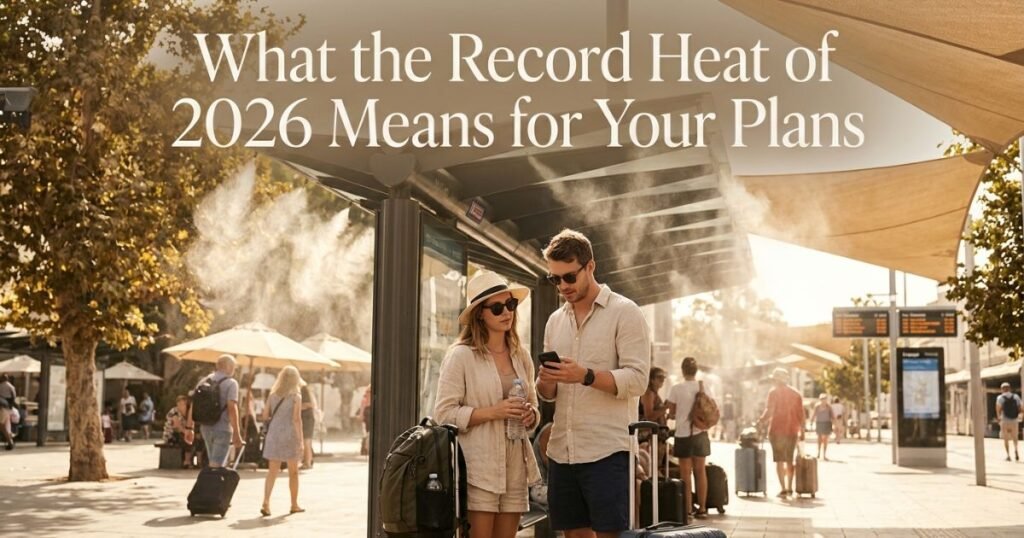
The 2026 summer shows why France’s old “June to August is best” rule needs a caveat. France recorded an average summer temperature of 24°C, which was 3.6°C above normal, and had several heatwaves. Météo-France reported the hottest day ever measured on 23 June. Major Paris attractions closed early, and Mont-Saint-Michel asked visitors to postpone during the red alert.
Visitors still came, but where they went shifted. Normandy, Brittany, the Channel coast and the Alps gained visitors, while Paris and the Côte d’Azur stayed busy. Wildfires along the Atlantic coast forced about 224,000 people to evacuate.
One summer is not a rule. Still, treat heat as a planning risk, not a surprise. Four steps help:
- Choose accommodation with air conditioning from June to September. Reports from 2026 describe visitors struggling in rentals without it.
- Visit outdoor sights early in the morning. Move to museums and churches by midday.
- Consider the north or the Alps for July and August trips.
- Check Météo-France heat alerts a few days before travel, and keep your plans flexible.
Best Time to Visit France by Region
Paris and Île-de-France
Paris works year-round, but the best months are late April to June and mid-September to October. For fewer crowds, aim for November or January to March. If you plan several paid attractions a day in peak months, compare options in our guide on which Paris Pass is worth it.
French Riviera (Nice, Cannes, Antibes)
The beach season runs from late June to September. Sea temperatures reach about 22°C in June and 23°C in July and August. June and September offer the best mix of warm water and lighter crowds. May is busy in Cannes, because the 80th Cannes Film Festival runs from 11 to 22 May 2027. Expect higher hotel prices that fortnight.
Provence and the Lavender Fields
Valensole usually peaks between late June and the first week of July. Lavender timing varies by altitude. Higher areas such as Sault and the Albion plateau stay in bloom until the end of July or early August. A hot, dry spell can pull the harvest forward, so check dates with local tourist offices before you go.
Normandy, Brittany and the North
These regions stay cooler than the south in summer, which made them popular in 2026. June to September is the practical window. Winter here is wet and windy, and some seaside businesses shut.
The French Alps
Skiing starts in late November at the highest resorts. Val Thorens and Tignes planned to open on 21 November 2026, and Les 3 Vallées plans to ski from 5 December 2026 to 18 April 2027. See the Les 3 Vallées season dates for the official calendar. The busiest ski weeks match school holiday weeks.
Wine Regions (Bordeaux, Burgundy, Champagne, Alsace)
The harvest calendar moved in 2026. Champagne usually starts picking in early September, but its 2026 harvest began earlier than ever recorded. Château Margaux started picking Sauvignon Blanc on 7 August. If you want to see picking, plan from late August and confirm dates directly with producers. For quieter tastings, spring and early autumn are comfortable.
Events and School Holidays That Change Prices (2027)
- Nice Carnival: 9 to 28 February 2027.
- Menton Lemon Festival: 14 to 28 February 2027.
- Winter school holidays: Zone A runs 13 February to 1 March and Zone B runs 20 February to 8 March. Zone C starts on 6 February. Together these cover much of February and early March.
- Roland-Garros: 17 May to 6 June 2027. Ticket draw registration opens on 3 December 2026.
- Tour de France: It starts in Edinburgh on 2 July and finishes in Paris on 25 July 2027. Stage towns can close roads, so check your route.
- Summer holidays: All zones start on 3 July 2027.
- Christmas holidays: 19 December 2026 to 4 January 2027. See the official French school holiday calendar for details.
- Strasbourg Christmas market: It traditionally opens on the last Friday of November. Confirm exact dates with the city before booking.
Which Month Fits Which Traveler
- First-time visitors: May or mid-September give the best mix of weather, daylight and access.
- Families: Non-French families can travel in term time to avoid French school crowds. June or early September beats the July and August heat.
- Older or heat-sensitive travelers: April, May and October are gentler than July and August in Paris and the south.
- Budget travelers: January to March and November cost less outside the Alps. For wider planning, see our estimate of the approximate budget for a Europe trip from India.
Practical Checks Before You Book
- Border checks: The EU’s Entry/Exit System has been fully operational since 10 April 2026. It replaces passport stamps for non-EU short-stay visitors. Expect longer queues in busy periods such as school holidays. EU countries can pause the checks at peak times, so allow extra airport time.
- ETIAS: It was not operational and not accepting applications at the time of reporting. Confirm the current status on the official EU travel site before you book.
- Visas: Travelers who need a Schengen visa should check how early their consulate accepts applications. Summer appointments fill first.
- Early bookings: Reserve Roland-Garros, Cannes-week hotels and Alpine school-holiday weeks as soon as dates open.
FAQ,s
What is the cheapest month to visit France?
January and February are usually the cheapest months outside ski resorts. Expect cold weather, short days and some closures. Ski areas and school-break weeks cost more.
What is the worst time to visit France?
For sightseeing, July and August are the hardest months. They bring heat, big crowds and high prices on the Riviera and in Paris. Mid-February is similarly costly at ski resorts.
Is April or May better for Paris?
May is warmer, with highs near 20°C against about 16°C in April (Orly normals). April usually has fewer visitors. Both months get busier around Easter and Ascension weekends.
Which month has good weather without big crowds?
Early-to-mid September and late May to early June usually balance warmth and space. Hot spells can still occur in both, so keep plans flexible.
When are the lavender fields in bloom?
Valensole peaks from late June to the first week of July. Higher areas like Sault bloom later, into late July or early August. Check local updates the week before you go.
Conclusion
Pick your priority first. If you want mild weather and manageable crowds, choose late April to early June or mid-September to mid-October. If you want one specific experience, such as lavender, skiing or the grape harvest, match the month to that activity and accept the trade-off.
Plan around the dates that move prices in 2027: school holidays, Cannes, Roland-Garros and the Tour de France. Build a heat plan for summer, and check current entry rules and event dates with official sources before you pay for anything non-refundable.