


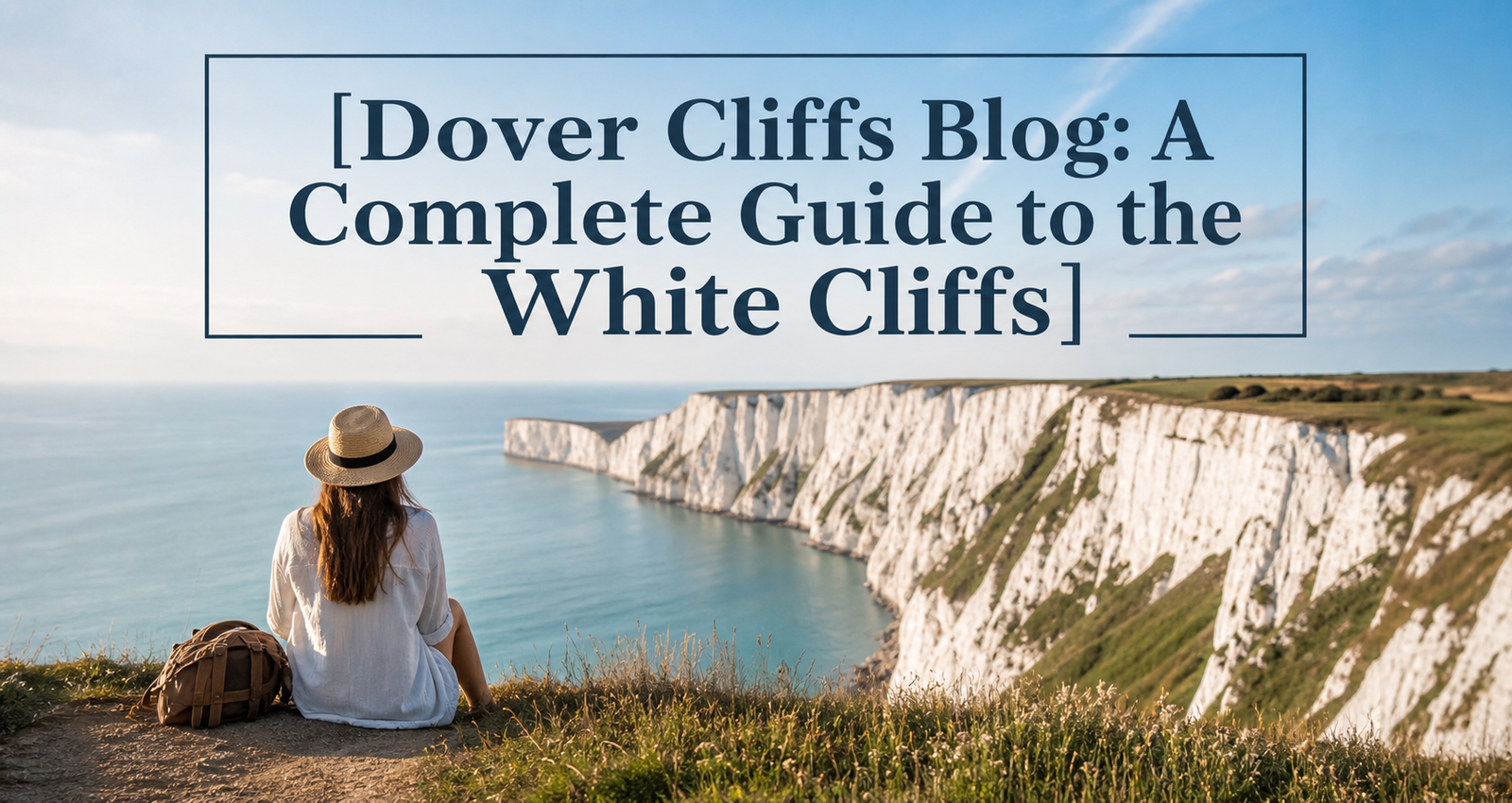
Dover Cliffs Blog gives you a simple way to plan a visit to one of England’s best-known coastal landmarks. The White Cliffs of Dover stand above the English Channel in Kent. Their bright chalk walls, green tops, and wide sea views create a classic English scene. Moreover, the cliffs offer much more than a photo stop. Visitors can enjoy coastal walks, wildlife, history, a lighthouse, and views across the busy Dover Strait. The white chalk cliffs have also become a strong symbol of Britain’s coastline. Therefore, they attract travelers who want nature, history, photography, and fresh sea air in one place. The National Trust manages the main visitor area and provides several walking routes for different types of visitors.
This Dover Cliffs Blog covers the key details you need before your trip. You will learn how to reach the cliffs, what to see, where to walk, and how long to stay. Furthermore, this guide covers transport, parking, costs, accessibility, families, safety, food, photography, and nearby places. The main viewpoint sits about 400 metres from the car parks, making it easier for visitors with limited time. Therefore, you can enjoy the famous view without completing a long coastal hike. If you have more time, you can continue along the coast toward South Foreland Lighthouse and enjoy even wider views. Moreover, history lovers can learn about the area’s wartime past, while families can enjoy a relaxed outdoor day beside the English Channel.
Why Visit the White Cliffs of Dover?
The White Cliffs of Dover are famous for their bright chalk faces and dramatic position above the sea. They also offer a strong mix of nature, history, and outdoor travel. Moreover, the cliffs provide several ways to enjoy the landscape without needing a full-day hike. A Dover Cliffs Blog is useful because many visitors only think about the main viewpoint. However, the area extends much farther along the coast. You can walk toward Fan Bay Deep Shelter and South Foreland Lighthouse. You can also continue toward St Margaret’s, Kingsdown, Wilmer, or Deal. The cliffs also form part of the King Charles III England Coast Path. Therefore, visitors can use the area as a starting point for longer coastal walks. The views can include Dover Harbors, the English Channel, and France when weather conditions are clear.
What Makes the White Cliffs Special?
The cliffs are made from chalk formed from tiny marine organisms. Over a very long period, their remains created thick layers beneath ancient seas.Later, geological changes raised these layers above sea level. Natural erosion then shaped the dramatic cliffs seen today. Furthermore, continued erosion exposes fresh white chalk along the cliff face.
Where Are the White Cliffs of Dover?

The White Cliffs are near Dover in Kent, southeast England. The main National Trust visitor center is at Langdon Cliffs, above the English Channel. For a Dover Cliffs Blog, it is important to understand the visitor center’s location. It is not the same as simply arriving in central Dover. Therefore, check your route carefully before starting your journey. The National Trust visitor center has parking, toilets, a café, a shop, and access to cliff walks. The main viewpoint is around 400 meters from the car parks.
| Place | Why it is useful |
| Dover Priory | Main railway station for Dover |
| Dover Castle | Major historic attraction |
| South Foreland Lighthouse | Coastal landmark and historic lighthouse |
| Fan Bay Deep Shelter | Second World War history |
| St Margaret’s | Coastal village and walking area |
| Deal | Seaside town farther along the coast |
Therefore, you can easily combine the cliffs with other Kent attractions.
How to Get to the White Cliffs
Getting to the cliffs is fairly simple when you plan ahead. You can reach Dover by train, car, taxi, or local transport. However, your final route depends on where you start. A Dover Cliffs Blog should therefore separate travel to Dover from travel to the actual visitor center.
Getting There by Train
Dover Priory is the closest railway station to the White Cliffs. The National Trust says the station is about two miles from the visitor center. You can walk from the station by following the recommended walking route. However, the walk takes around 40 minutes and may not suit everyone. Therefore, a taxi can be easier after a long train journey. The National Trust also notes that taxis are available outside Dover Priory.
Getting There by Car
Driving can be convenient if you plan to explore more of Kent. The main parking area is close to the White Cliffs Visitor Centre. The National Trust currently lists 300 spaces across four parking levels. Levels 1 to 3 have hard surfaces, while level 4 has a natural chalk and grass surface. However, parking rules and charges can change. Therefore, check the official National Trust page before your journey.
Getting There by Taxi
A taxi is useful from Dover Priory or central Dover. It can also help visitors with limited mobility. Furthermore, the National Trust says staff can help arrange a return taxi from the visitor center. This option can save time if you do not want to walk back.
What Can You See at the White Cliffs?

A good Dover Cliffs Blog should cover more than the famous white cliff face. The surrounding landscape contains historic sites, walking paths, wildlife, and coastal viewpoints. The main viewpoint is the easiest place to start. From there, you can decide whether to continue toward the lighthouse or return to the visitor center.
The Main Viewpoint
The main viewpoint is around 400 meters from the car park. It can be reached using an accessible path with a staggered incline and rest points. Therefore, visitors with limited time can still enjoy the classic White Cliffs experience. The viewpoint also provides excellent opportunities for photographs. On clear days, you may see far across the English Channel.
South Foreland Lighthouse
South Foreland Lighthouse is one of the most important landmarks near the cliffs. The present lighthouse was built in 1842 and remained in daily use until 1988.Today, visitors can enjoy the grounds and, when available, take a tower tour. The site also has Mrs. Knott’s Tearoom and a shop. A Dover Cliffs Blog would not be complete without this historic lighthouse. It adds both history and another beautiful viewpoint to the coastal walk.
Fan Bay Deep Shelter
Fan Bay Deep Shelter offers a look at the area’s Second World War history. The underground shelter was linked to the wartime Fan Bay gun battery. The shelter is reached on foot from the visitor center. The National Trust currently says it is normally around 40 minutes from the visitor center. Opening dates and tour times can change. Therefore, check the current National Trust information before planning your visit around it.
Best Walking Routes
Walking is one of the best ways to experience the White Cliffs. However, different paths offer different levels of effort. For this Dover Cliffs Blog, the easiest plan is to begin with the main viewpoint. You can then continue farther if the weather and your fitness allow.
Visitor Centre to the Viewpoint
This is the easiest option for many travelers. The accessible path leads around 400 meters from the visitor center toward the main viewpoint. The route has seating and rest areas. Therefore, it can work well for families and visitors who want a short walk.
Visitor Centre to South Foreland Lighthouse
This longer route offers more scenery and history. The National Trust lists a circular trail of about 3.5 miles, or 5.6 kilometers. The listed walking time is around 1 hour and 40 minutes. However, the trail includes a short steep section with steps. Therefore, it may not suit every wheelchair or mobility scooter user.
Walking Beyond the Lighthouse
The coast path continues beyond South Foreland Lighthouse. Walkers can continue toward St Margaret’s, Kingsdown, Wilmer, or Deal. These longer routes require more planning. Moreover, coastal weather can change quickly. Wear suitable shoes and carry water. Finally, check your return transport before starting a long one-way walk.
How Long Should You Spend at the Cliffs?

A short visit can take around one to two hours. This gives you time for the main viewpoint, photographs, and a short walk. However, a Dover Cliffs Blog should allow more time for visitors who want to explore. The lighthouse and Fan Bay Deep Shelter can turn a short visit into a longer outing.
| Visit type | Suggested time |
| Quick viewpoint visit | 1–2 hours |
| Viewpoint and short walk | 2–3 hours |
| Lighthouse and coastal walk | 3–5 hours |
| Longer coastal hike | Half day or more |
These are planning estimates rather than fixed visit times. Your walking speed, weather, and attraction schedules may change the total time.
Best Time to Visit the White Cliffs
The best time depends on what you want to do. Spring and summer usually provide longer daylight for walking.However, every season can offer a different coastal experience. Autumn brings changing colors, while winter can create dramatic sea views. For a Dover Cliffs Blog, weather is more important than the season alone. Strong winds, rain, fog, or ice can affect the paths.
Best Time for Clear Views
Clear weather gives you the best chance of seeing across the English Channel. You may even see France from the cliffs on a clear day. However, distant views are never guaranteed. Therefore, visit for the cliffs themselves rather than only for a view of France. Morning can be a good time for quieter walks. Meanwhile, late afternoon can provide attractive light for photography.
What Does It Cost to Visit?
Walking onto the White Cliffs does not currently require an admission charge. The National Trust states that visitors can walk onto the cliffs and enter the grounds of South Foreland Lighthouse without an admission charge. However, some experiences have separate costs. For example, Fan Bay Deep Shelter and lighthouse tower tours require tickets. Parking can also involve a charge. Therefore, check current prices before traveling. A Dover Cliffs Blog should avoid fixed prices because visitor charges can change. The official National Trust website provides the latest information.
How to Save Money
You can keep the visit affordable by focusing on the free outdoor areas. Bring your own water and snacks if you prefer. The visitor center has a café, but you can also bring a picnic. The National Trust provides picnic benches and allows picnics along the trail. Therefore, a simple cliff visit can suit budget travelers.
Accessibility at the White Cliffs
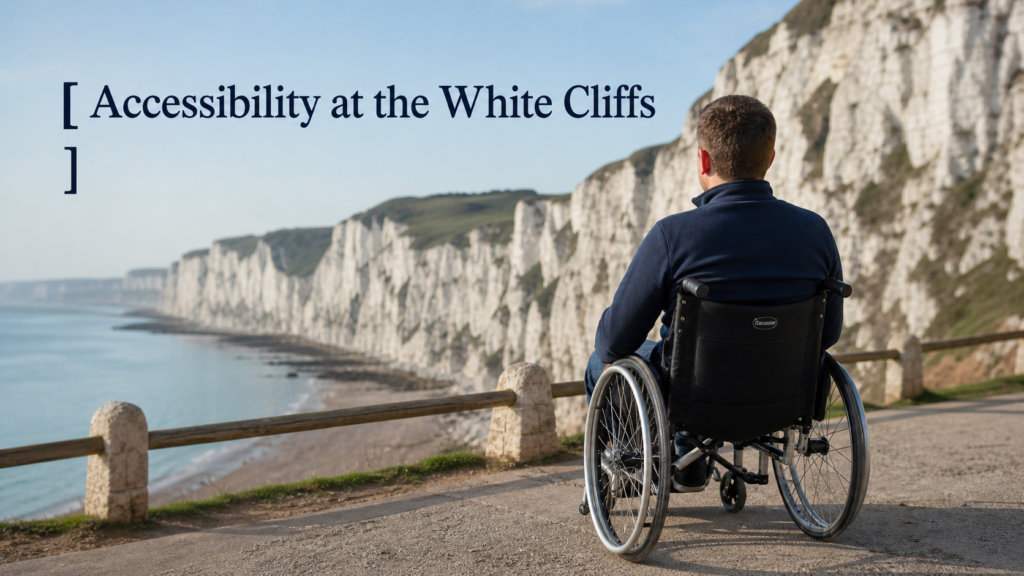
Accessibility varies between different parts of the site. The main viewpoint has an accessible path from the visitor center. The National Trust says the accessible route is around 400 meters long. It also has rest areas and seating near the viewpoint. Therefore, visitors with reduced mobility can enjoy the main view without completing a long hike. However, routes beyond the viewpoint become steeper. Some sections also include steps and uneven ground.
Accessible Parking
The visitor center currently has designated accessible parking spaces. The National Trust also provides accessible toilets at the visitor center. Visitors with specific mobility needs should check the current access statement. Furthermore, contact the site before visiting if you need special assistance.
Are the White Cliffs of Dover Good for Families?
Yes, the cliffs can be a great family destination. Children can enjoy open spaces, sea views, wildlife, and nearby historic sites. However, the cliff edge requires serious attention. Some areas are close to the edge and do not have protective barriers. Therefore, a Dover Cliffs Blog should always include family safety advice. Keep children close and stay on marked paths. The National Trust warns visitors to pay attention around cliff edges. It also advises extra care during wet, windy, or icy conditions.
Family-Friendly Plan
Start with the main viewpoint. Next, take a short section of the coast path. Then, return to the visitor center for food or drinks. Finally, consider visiting Dover Castle if you have extra time. This plan keeps the day varied without requiring a long hike.
Safety Tips for Visiting the Cliffs
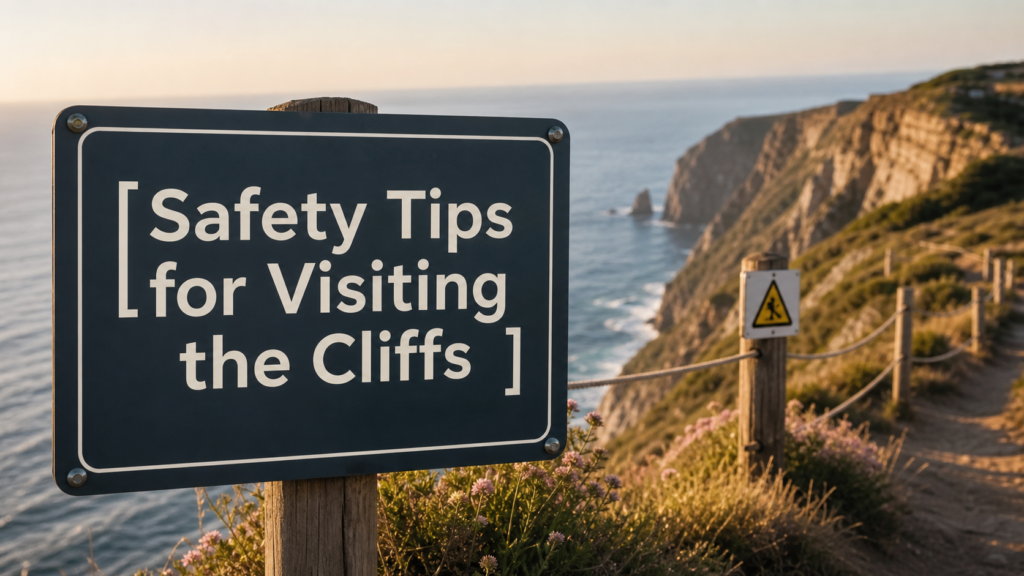
Safety should always come first at coastal cliffs. The ground near cliff edges can be unstable. Stay on official paths and follow warning signs. Moreover, never climb down the cliff face or approach an unsafe edge. The National Trust specifically warns visitors about cliff edges. It recommends extra care in wet, windy, or icy weather. A Dover Cliffs Blog should also remind visitors that the chalk cliffs naturally erode. Therefore, never assume a section is safe simply because other people are nearby.
What Should You Wear?
Wear comfortable shoes with good grip. Some routes have uneven ground and can become slippery after rain. Bring a waterproof jacket because coastal weather can change quickly. Furthermore, carry enough water for your planned walk. Sunscreen and sunglasses can also help during bright weather. The open landscape can expose you to strong sun and wind.
What Should You Bring?
A short visit does not require heavy equipment. However, the right items can make your day more comfortable.
- Comfortable walking shoes
- Water bottle
- Waterproof jacket
- Snacks
- Phone
- Portable charger
- Sunscreen
- Sunglasses
- Small first-aid kit
- Extra layer
For a Dover Cliffs Blog, the main advice is to prepare for changing weather. A sunny morning can still become windy on the cliff top. If you plan a longer walk, bring extra water and food. Also, check your return route before leaving.
Where Can You Eat?
The White Cliffs Visitor Centre has a cafeteria. It also has toilets, drinking water facilities, and a shop. South Foreland Lighthouse also has Mrs. Knott’s Tearoom. The National Trust lists hot drinks, soup, sandwiches, cakes, and other refreshments there. Therefore, you do not need to leave the area for basic refreshments. However, opening times can change during the year. Check the current information before planning your meal around a specific location.
Can You Have a Picnic?
Yes, picnics are allowed in suitable areas. The National Trust provides picnic benches at the visitor center and South Foreland Lighthouse. You can also picnic along the trail. However, barbecues, gas appliances, and open fires are not allowed. Therefore, a simple packed lunch can be a good option.
Wildlife and Nature

The cliffs are also valuable for wildlife. The grasslands support plants, insects, birds, and butterflies. Visitors may see wildlife while walking toward South Foreland Lighthouse. The National Trust highlights the area’s wild plants, insects, and birds. Therefore, take time to look beyond the famous cliff view.
Birdwatching
Birdwatchers can enjoy the open coastal landscape. Sea views and cliff-top habitats create opportunities to spot different birds. However, avoid disturbing nesting wildlife. If you bring a dog, follow current guidance from the National Trust.
Visiting With a Dog
Dogs are welcome at the White Cliffs and South Foreland Lighthouse outdoor areas. The National Trust describes both locations as dog-friendly. However, dogs need extra care near the cliff edge. The National Trust advises keeping dogs on a lead in areas where wildlife and livestock are present. From March 1 through August 31, dogs should be kept on a short lead throughout the site. This protects ground-nesting birds and other wildlife. Therefore, check the current dog guidance before your visit.
Photography at the White Cliffs
The White Cliffs offer excellent photo opportunities. The contrast between white chalk, green grass, blue water, and open sky creates strong landscape images. A Dover Cliffs Blog should include photography advice because many visitors come partly for the views. The main viewpoint is a good place for wide landscape photos. You can also walk farther along the coast from different angles.
Best Photography Conditions
Clear days can provide the widest views. However, cloudy skies can create dramatic photographs too. Morning and late afternoon often provide softer natural light. Meanwhile, bright midday conditions can create strong contrast. Most importantly, never move toward the cliff edge for a photograph. A safe photograph is always more valuable than a risky one.
The History of the White Cliffs
The cliffs have played an important role in Britain’s history. Their position beside the English Channel made them a natural lookout point. During the Second World War, the area formed part of Britain’s coastal defense system. Fan Bay contained a wartime gun battery and deep shelter. The cliffs also contain other historic remains. Therefore, walking the area can feel like visiting an outdoor history site.
South Foreland Lighthouse History
The present South Foreland Lighthouse was built in 1842. Its light helped ships navigate the Strait of Dover. The lighthouse remained in daily use until it was decommissioned in 1988. The National Trust acquired it in 1989. Today, visitors can learn more about its history through tours and information at the site.
Can You See France From the Cliffs?

France can sometimes be visible from the White Cliffs. However, the view depends on weather and visibility. Clear skies can provide excellent views across the Dover Strait. The National Trust notes that visitors may see France during suitable conditions. Therefore, don’t worry if France is hidden by clouds. The cliffs remain impressive even without a distant view.
Nearby Attractions to Visit
The White Cliffs work well as part of a wider Kent itinerary. Several attractions are nearby.
Dover Castle
Dover Castle is one of the area’s most famous historic attractions. It stands above Dover and adds another major history stop to your trip. However, walking between the cliffs and castle is not suitable for everyone. The National Trust notes that the route contains steep paths and steps. Therefore, visitors with mobility needs may prefer a taxi.
St Margaret’s Bay
St Margaret’s Bay offers another beautiful coastal setting. It is also useful for visitors who want to explore the coast beyond the main cliff site. You can reach South Foreland Lighthouse from the St Margaret’s area by walking through local paths.
Deal and Walmer
Deal and Wilmer offer a slower seaside experience farther along the Kent coast. They can work well for travelers with extra time. Therefore, consider adding them to a longer Kent road trip.
A Simple White Cliffs Day Trip
A Dover Cliffs Blog should make planning easy. You can build a simple day around the cliffs without rushing. Start your morning at the White Cliffs Visitor Centre. Then, walk to the main viewpoint and enjoy the sea views. Next, continue toward Fan Bay and South Foreland Lighthouse. Afterward, return to the visitor center or continue toward another Kent destination. Finally, visit Dover Castle or explore Dover town before leaving.
Short Visit Plan
If you have limited time, focus on the main viewpoint. Allow enough time for photographs and a short walk. Then, return to the visitor center for refreshments. This plan works well during a busy England itinerary.
Longer Visit Plan
If you have several hours, include the lighthouse and Fan Bay. You can then enjoy a longer coastal walk. However, check current opening information before planning your route. Also, consider the weather before choosing a longer path.
Local Tips for a Better Visit
The best Dover Cliffs Blog advice is to check official information before leaving. Parking, opening hours, events, and visitor services may change. Arrive prepared for coastal weather. Even warm days can feel cool and windy above the English Channel. Also, allow extra time for photographs. The views often encourage visitors to stop longer than expected. Finally, keep your route flexible. If the weather becomes poor, choose a shorter route and return safely.
Is the Dover Cliffs Visit Worth It?
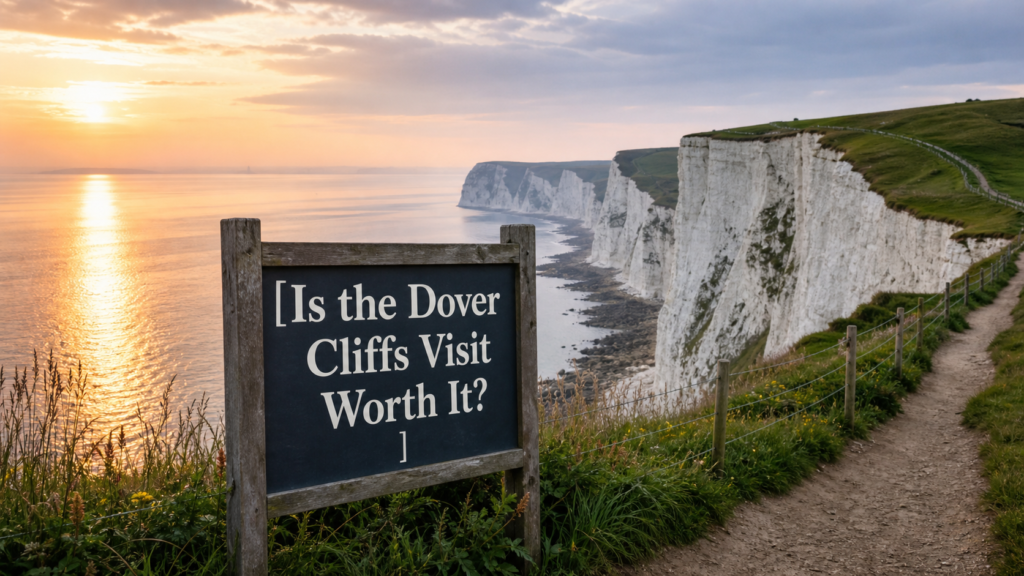
The White Cliffs of Dover are worth visiting for their views, history, and coastal setting. They offer a famous English landscape without requiring a long hike. A Dover Cliffs Blog makes the trip easier because it explains the different ways to enjoy the site. You can visit the main viewpoint, walk to the lighthouse, explore wartime history, or continue along the coast. The cliffs also fit well into a wider Kent trip. Dover Castle, St Margaret’s, Deal, Wilmer, and South Foreland Lighthouse provide more options nearby. Therefore, the White Cliffs can suit families, photographers, history lovers, walkers, and first-time visitors.
Frequently Asked Questions
How long should I spend at the White Cliffs of Dover?
A short visit can take around one to two hours. However, allow several hours if you want to visit South Foreland Lighthouse or Fan Bay Deep Shelter.
Is there an entrance fee for the White Cliffs?
There is currently no admission charge to walk onto the White Cliffs. However, parking and some special attractions may have separate charges.
Can you walk on the White Cliffs of Dover?
Yes, visitors can walk along several marked coastal paths. However, some routes include steep sections and uneven ground.
Can families visit the White Cliffs?
Yes, families can enjoy the cliffs. However, children need close supervision because some paths run close to the cliff edge.
Can wheelchair users access the White Cliffs?
The main viewpoint has an accessible path from the visitor center. However, longer routes can include steps, steep sections, and uneven terrain.
Can you see France from Dover?
Yes, France may be visible on a clear day. However, weather and visibility can greatly affect the view.
Is the South Foreland Lighthouse worth visiting?
Yes, especially for travelers interested in history and coastal views. The lighthouse offers tours, grounds, refreshments, and views across the surrounding landscape.
Conclusion
A Dover Cliffs Blog can help you plan a simple and memorable visit to one of England’s most famous coastal landmarks. The White Cliffs offer more than a beautiful photograph. You can enjoy coastal walks, wildlife, wartime history, South Foreland Lighthouse, and wide views across the English Channel. Moreover, the main viewpoint is close to the visitor center, making it suitable for shorter visits. Therefore, you can enjoy the cliffs even when your England itinerary has limited time.
Overall, this Dover Cliffs Blog shows that the White Cliffs can suit many types of travelers. Families can enjoy a short scenic visit, while walkers can continue toward the lighthouse and nearby coastal towns. Furthermore, visitors should check current National Trust information for parking, opening times, tickets, and weather-related changes. With comfortable shoes, suitable clothing, and a safe walking plan, the White Cliffs of Dover can become one of the most memorable stops on your Kent trip.