


Most first-time visitors need seven to ten days in Germany to see three or four of the places below without rushing. The big sights sit far apart. Berlin is in the northeast, Munich and the Alps are in the south, and the Rhine Valley runs through the west. The real planning question is what to skip.
This Germany travel guide covers 12 destinations, what each is best for, and how long to give it. It also explains how many days you need, when to go, how to get around, and which entry rules apply. We checked time-sensitive details, such as ticket prices and entry rules, against official sources in October 2026. They can change, so confirm them before you book.
The 12 Destinations at a Glance
| Destination | Best for | Time needed |
| Berlin | History, museums, nightlife | 3 days |
| Munich | Beer halls, museums, Alps access | 2–3 days |
| Neuschwanstein and Füssen | Castles, mountain scenery | 1 day |
| Cologne | Gothic cathedral, riverside city break | 1–2 days |
| Hamburg | Harbor, music, canals | 2 days |
| Rhine Valley | Castles, vineyards, river cruises | 1–2 days |
| Heidelberg | Castle ruins, old town | 1 day |
| Black Forest | Hiking, spa towns, cake | 2–3 days |
| Dresden | Baroque architecture, rebuilt old town | 1–2 days |
| Rothenburg ob der Tauber | Medieval walls, overnight stay | 1 night |
| Nuremberg | Imperial castle, WWII history, Christmas market | 1–2 days |
| Garmisch-Partenkirchen and Zugspitze | Alpine views, hiking | 1–2 days |
Berlin: History, Museums and Street Art
Berlin suits travelers who want to understand 20th-century Europe. The Brandenburg Gate, the Holocaust Memorial, the East Side Gallery and Museum Island sit within a few transit stops of each other. Museum Island holds several major museums and has UNESCO World Heritage status.
The Reichstag dome is free, but you must register in advance. The dome also closes for maintenance several weeks each year, so check the dates before you book. The roof terrace usually stays open during those closures. You can find the schedule and booking form on the Bundestag’s official dome page.
Berlin is spread out, so base yourself near a U-Bahn or S-Bahn line. A single ticket for zones A and B costs roughly €4 in 2026, and a 24-hour ticket costs roughly €11. Price lists change, so check the BVG app.
Best for: first-time visitors, history lovers, budget travelers. Time: three days.
Munich: Beer Halls, Museums and the Gateway to the Alps
Munich combines a walkable old town with easy day trips. Marienplatz and its Glockenspiel anchor the center. The Deutsches Museum, the English Garden and the Nymphenburg Palace fill a second day. Surfers ride the Eisbach wave at the edge of the English Garden, which surprises many visitors.
Oktoberfest runs for about two weeks from mid-to-late September into early October. Hotel prices rose sharply then. Outside those weeks, Munich is much calmer and cheaper.
Best for: beer culture, museums, a base for Bavaria. Time: two to three days.
Neuschwanstein Castle and Füssen: The Fairy-Tale Castle
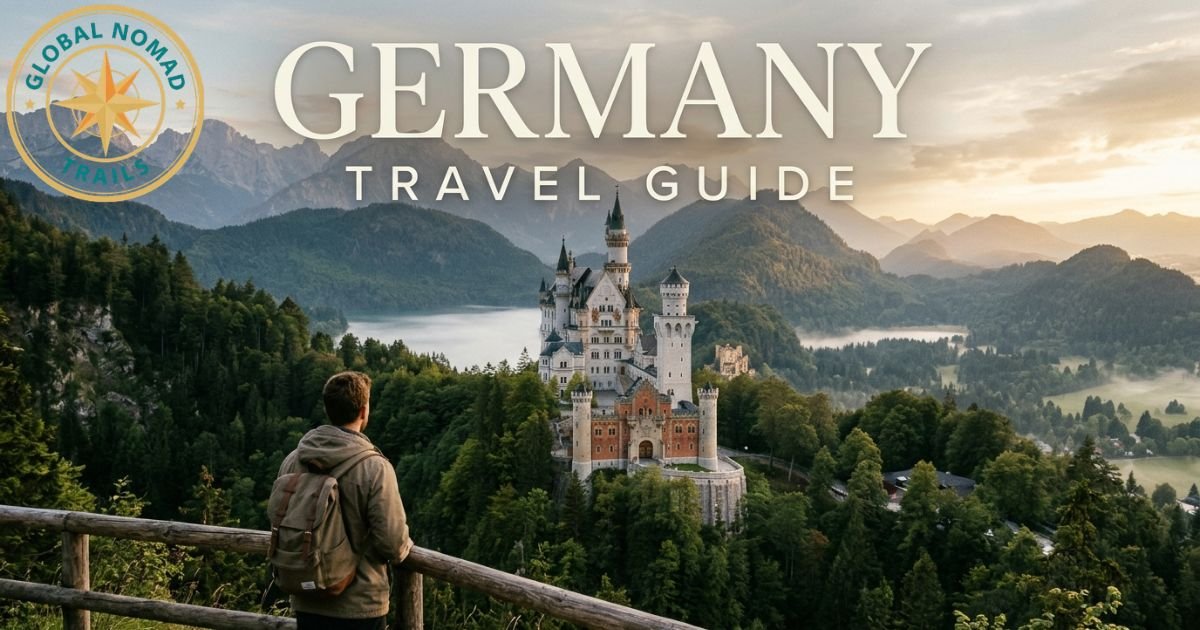
Neuschwanstein is the castle most people picture when they think of Germany. It sits above the village of Hohenschwangau near Füssen, close to the Austrian border. Entry is by timed guided tour only, and tours last around 30 minutes.
For 2026, the official site lists €21 for a regular ticket and €20 for a reduced ticket. Online bookings add a €2.50 fee. Children under 18 enter free but still need a ticket. See the official Neuschwanstein admission page for current prices and booking.
Book weeks ahead in summer, because same-day tickets are often unavailable. The Marienbrücke bridge gives the classic photo view, but it is often closed in winter because of ice and snow.
Füssen is typically about two hours from Munich by train. That makes it a long day trip. An overnight stay is more relaxed.
Best for: families, photographers, castle fans. Time: one full day.
Cologne: A Cathedral That Took 600 Years
Cologne Cathedral is a UNESCO World Heritage Site. Builders started it in the 13th century and finished it in 1880. You can climb the south tower, about 533 steps, for a view over the Rhine.
The city is compact. The cathedral, the Hohenzollern Bridge and the Museum Ludwig sit within a short walk of each other. Try a Kölsch, the local light beer, served in small glasses.
Best for: short city breaks, Rhine combinations. Time: one to two days.
Hamburg: Harbor, Canals and Music
Hamburg is Germany’s main port city and feels different from Berlin or Munich. Its Speicherstadt warehouse district is a UNESCO site. The Elbphilharmonie concert hall draws visitors for its architecture and harbor views, and Miniatur Wunderland is a popular indoor model-railway attraction. Check current ticket rules for both before you go.
A harbor boat tour is an easy way to see the port. Early Sunday mornings bring the Fischmarkt, a long-running fish market.
Best for: travelers who prefer water, music and city life over castles. Time: two days.
The Rhine Valley: Castles, Vineyards and River Cruises
The Upper Middle Rhine Valley is a UNESCO World Heritage landscape. It runs roughly 65 km between Bingen and Koblenz. Castles line the hillsides above vineyard terraces, and the Loreley rock is a famous landmark.
Regional trains run along both banks, so you can hop between small towns. River boats cover part of the route and add a relaxed alternative. Autumn brings the grape harvest, which suits wine drinkers.
Best for: scenery, wine, slow travel. Time: one to two days.
Heidelberg: Castle Ruins Above the Neckar

Heidelberg is a small university town about an hour from Frankfurt by train, depending on the service. The ruined castle sits above the old town, and the Old Bridge crosses the Neckar below. The Philosophenweg, a hillside walk, gives a good view back toward the castle.
It works well as a day trip or as a stop between Frankfurt Airport and the Black Forest.
Best for: first-timers with limited time, couples. Time: one day.
The Black Forest: Hiking, Spa Towns and Cake
The Black Forest in southwest Germany is a region, not a single town. Freiburg is a good city base. Baden-Baden is known for its thermal baths, and Triberg is known for its waterfalls and cuckoo clocks. Black Forest cake is worth trying in the region where it gets its name.
Public transport reaches the main towns, but a car gives you far more freedom on the scenic roads and hiking trails.
Best for: hikers, spa visitors, road trippers. Time: two to three days.
Dresden: Baroque Beauty, Rebuilt
Dresden’s old town centers on the Frauenkirche, a church rebuilt after the destruction of 1945 and reconsecrated in 2005. The Zwinger palace, the Semperoper and the Brühl’s Terrace promenade sit close by.
Saxon Switzerland National Park, with its sandstone cliffs and the Bastei bridge, makes a good day trip. Dresden is typically about two hours from Berlin by train.
Best for: architecture fans, travelers adding a second eastern city. Time: one to two days.
Rothenburg ob der Tauber: A Walled Medieval Town
Rothenburg sits on the Romantic Road, a tourist route of about 350 km that links Würzburg and Füssen. You can walk along its medieval town wall and wander the half-timbered lanes.
Day-trip crowds arrive late morning and thin out by evening. If you can, stay one night. The streets feel very different at dawn and dusk.
Best for: photographers, travelers who like small towns. Time: one night.
Nuremberg: Imperial Castle and Hard History
Nuremberg’s Kaiserburg castle overlooks a restored old town. The Documentation Center at the former Nazi Party Rally Grounds explains the city’s role in the Nazi era. It offers a serious counterpoint to the castle and old town.
The Christkindlesmarkt, one of Germany’s best-known Christmas markets, usually opens in late November and runs until Christmas Eve.
Best for: history, winter travel. Time: one to two days.
Garmisch-Partenkirchen and the Zugspitze: Alpine Germany
The Zugspitze is Germany’s highest peak, at 2,962 meters. Cable cars and a cog railway reach the summit area. In the town, the Partnachklamm gorge makes an easy half-day walk.
Visibility affects the experience more than any other factor here. Check the live webcams and forecast before you pay for the summit trip. Garmisch is typically around an hour and a half from Munich by regional train.
Best for: mountain views, easy hiking. Time: one to two days.
How to Plan Your Germany Trip
How many days do you need in Germany?
Seven to ten days works for most first-time visitors. Pick three or four bases and avoid changing hotels every night. Here are three sample routes:
- 7 Tage: Berlin (3), München (2), Neuschwanstein und Füssen (1–2).
- 10 days: add Heidelberg and the Rhine Valley between Munich and Berlin, or between Frankfurt and Cologne.
- 12 days or more: add Dresden, Nuremberg, Hamburg or the Black Forest.
Berlin to Munich takes roughly four to four and a half hours by ICE high-speed train. That makes it a half-day transfer, not a quick hop.
When is the best time to visit Germany?
May to September has the warmest weather and the best conditions for Alpine hiking. September and October suit the Rhine and Moselle wine regions. Late November and December bring Christmas markets. Winter brings short days and some seasonal closures, such as the Marienbrücke near Neuschwanstein.
How do you get around Germany?
Trains connect nearly every destination above. Long-distance ICE and IC trains are faster and cost more. Regional trains (RB and RE) are slower and cheaper.
The Deutschlandticket costs €63 a month in 2026. It covers regional trains, S-Bahn, U-Bahn, trams and buses across the country. It does not cover ICE, IC or EC trains. Tourists can buy it, but it is a monthly subscription, so cancel it before the next month begins. It suits slow, regional itineraries such as the Rhine Valley or the Black Forest. It does not suit a fast Berlin to Munich transfer.
What are the entry rules for Germany?
Germany Travel Guide is in the Schengen Area. Citizens of many countries can stay up to 90 days in any 180-day period without a visa. Your passport generally needs to be valid for at least three months after you leave. The same Schengen basics appear in our Spain travel requirements guide.
Two EU systems may affect you. The Entry/Exit System registers non-EU visitors at external borders. ETIAS, a separate pre-travel authorization for visa-exempt visitors, was not yet operating at the time of writing, and no firm start date was confirmed. Check the EU’s official ETIAS website for updates before you travel.
Do you need cash in Germany?
Cards work in most hotels, large restaurants and shops. Smaller bakeries, beer gardens and village guesthouses often prefer cash, so carry some euros. Most shops close on Sundays, so plan groceries and supplies in advance.
Traveling with young children? Our guide to traveling with a toddler covers pacing and packing. Munich also connects by train to Austria, and some travelers continue to Vienna. If you do, read our guide to Vienna’s traditional coffee houses.
Frequently Asked Questions
How many days do you need to see Germany’s top destinations?
Seven to ten days covers three or four bases well. Add more days for extra regions or slower travel.
What is the best time of year to visit Germany?
May to September suits most travelers. Choose late November to December for Christmas markets, and September to October for wine regions.
Do tourists need a visa or ETIAS for Germany?
Many nationalities can enter visa-free for up to 90 days in 180. ETIAS was not yet in operation at the time of writing, so check the official EU site before you travel.
Is the Deutschlandticket worth it for tourists?
It is worth it for regional and slow travel. It does not cover ICE, IC or EC trains, so it is of poor value for long-distance hops.
Can you visit Neuschwanstein as a day trip from Munich?
Yes, but it makes a long day because Füssen is typically around two hours by train. Book your timed ticket well in advance.
Conclusion
Germany rewards focus. Pick a small number of bases, such as Berlin and Munich with a castle day, or the Rhine with Cologne and Heidelberg. That approach saves more time than any single sightseeing trick. Book the few timed items early, buy the right train ticket for each leg, and leave room for slower days.
If you want one simple starting point, use this Germany Travel Guide seven-day route: Berlin, Munich, then Neuschwanstein. Add the Rhine, Dresden or the Black Forest on a second trip, or sooner if you have more time. Confirm prices and entry rules close to your departure, since they change.